Short answer
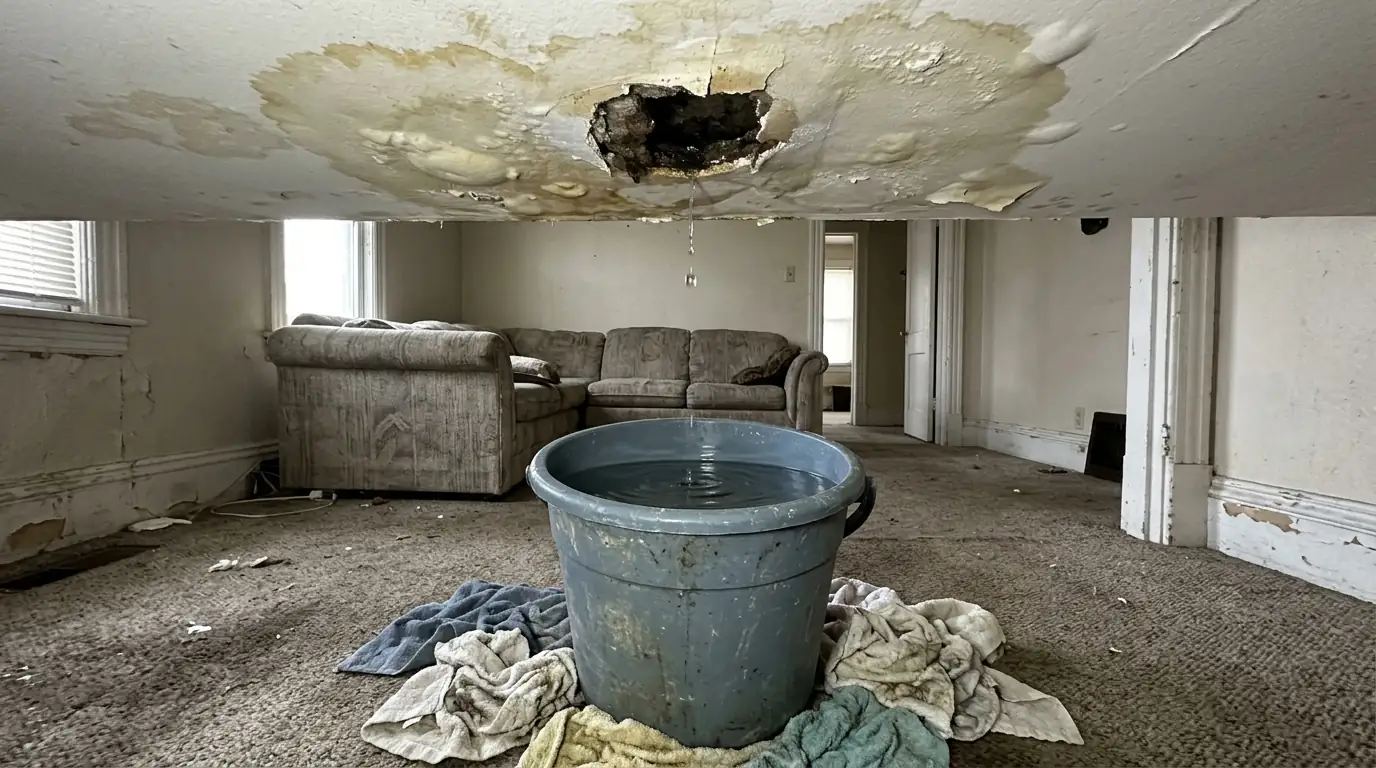
Across the US, typical water damage restoration jobs run about $1,270 to $5,376, or roughly $3.15 to $7.40 per square foot, according to LawnStarter. In New York the same job can land higher because of access, older materials and buildings with several units involved. The biggest single factor you control is how fast drying starts.
The ranges, and where they come from
The most useful national figure is a range, not an average. LawnStarter puts typical water damage restoration at $1,270 to $5,376, or about $3.15 to $7.40 per square foot of affected area, in its 2026 cost guide. That covers extraction, drying and the removal of materials that could not be saved.
Two related jobs often ride along. Mold remediation typically runs $1,200 to $3,750 according to This Old House, and sewage cleanup $2,000 to $10,000 for most homes according to ThePricer. Rebuilding walls, floors and paint is priced separately again.
What pushes a New York job up or down
The same square footage can cost very different amounts depending on a handful of things.
- Water category. Clean water from a supply line dries in place; gray and black water mean removal and disinfection.
- Materials. Three-coat plaster and strip oak take longer to dry than drywall and carpet, so equipment stays longer.
- How far it traveled. Water that reached the apartment below is a second job with its own drying.
- Access. Walk-ups, elevator bookings and hose runs from the street add time.
- How long it sat. A loss found the next morning costs less to fix than one found a week later.
What insurance usually pays
Homeowners, condo and renters policies usually cover sudden, accidental water: a burst pipe, an overflow, a failed appliance hose. They usually do not cover slow leaks treated as maintenance, water from outside, or sewer backups unless you have a sewer backup endorsement. Flood water is a separate flood policy.
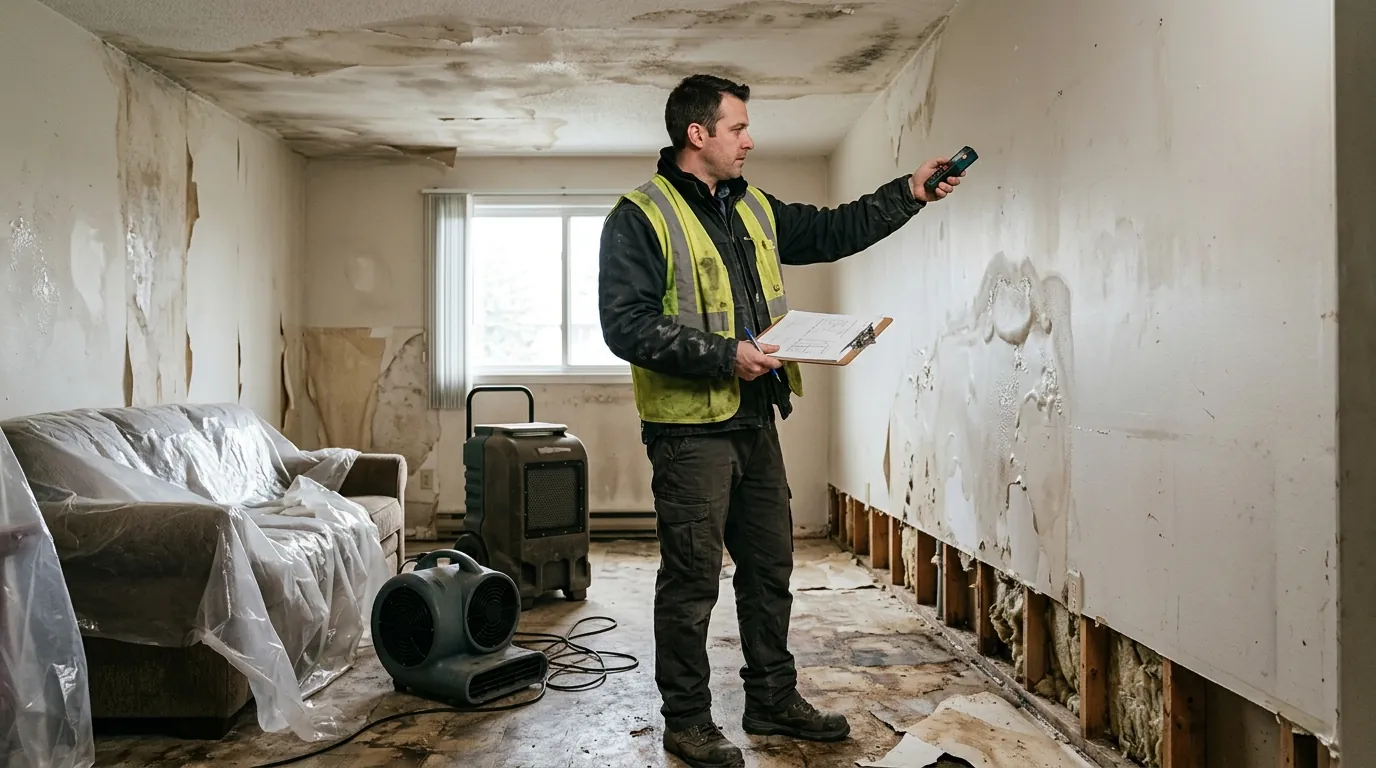
In a building, several policies may be involved at once: the upstairs owner’s, the building’s master policy and yours. That is why the documentation matters as much as the drying. Dated photos and moisture readings let each adjuster see which damage belongs to which policy.
Want a number for your job?
Call and describe the damage. We will tell you what the visit involves and what drives the price.How to keep the bill smaller
Most of what saves money happens in the first hours, before anyone arrives.
- Shut the water at the fixture, the apartment valve or through the super.
- Lift rugs and move furniture off wet floors so the floor underneath can dry.
- Photograph everything before cleaning up, including labels on damaged appliances.
- Call early. Extraction within a day often means drying in place instead of tearing out.
Costs that surprise people in New York buildings
Some costs have nothing to do with how wet the room is. Many co-op and condo buildings ask contractors for a certificate of insurance naming the building before anyone can start, and some restrict work to weekday hours or require an elevator reservation for equipment and debris. Those rules are reasonable, but they add time, and time is part of the price.
The rebuild can bring its own paperwork. Larger repairs in a co-op often need board approval under an alteration agreement, and work that touches plumbing or electrical may need a plumber or electrician and a permit. None of that is unusual. It is simply worth knowing before you compare two estimates, because one may include it and the other may not.
When the cheapest quote costs more
The two ways a low price turns expensive are short drying and skipped documentation. Pulling equipment on day two because the walls feel dry leaves water in plaster and subfloors, and the mold shows up a month later, often after the claim is closed. Skipping daily readings and photos leaves the adjuster with nothing to approve, so line items get cut.
Ask any company you are considering how they decide the room is dry, and whether you will get the readings. A clear answer to those two questions tells you more than the bottom line does.
How an estimate is built
A proper estimate starts with measurement, not a guess over the phone. We map the wet area with meters, photograph each room, and list every item of work with a reason: square feet of drywall removed, linear feet of baseboard, equipment days. That itemized scope is what adjusters work from, and it is what lets you compare one estimate with another on the same terms.
A number given before anyone has read the walls is either padded to be safe or too low to hold. Neither helps you.
Common questions
It can run higher than national averages because of access, older materials and multi-unit buildings. Fast drying keeps it lower.
Sudden, accidental water usually is. Flood water, slow leaks and sewer backups often need separate coverage.
It holds water longer, so drying equipment runs longer, and repairs take more skilled work.
We can explain what drives the price. A real number needs readings on site.
No. Drying and removal are one part; rebuilding walls, floors and paint is priced separately.
Services this article covers
Read next
Phyllis edits the articles on this site, writing from our crews’ job notes and the public sources linked in each piece.