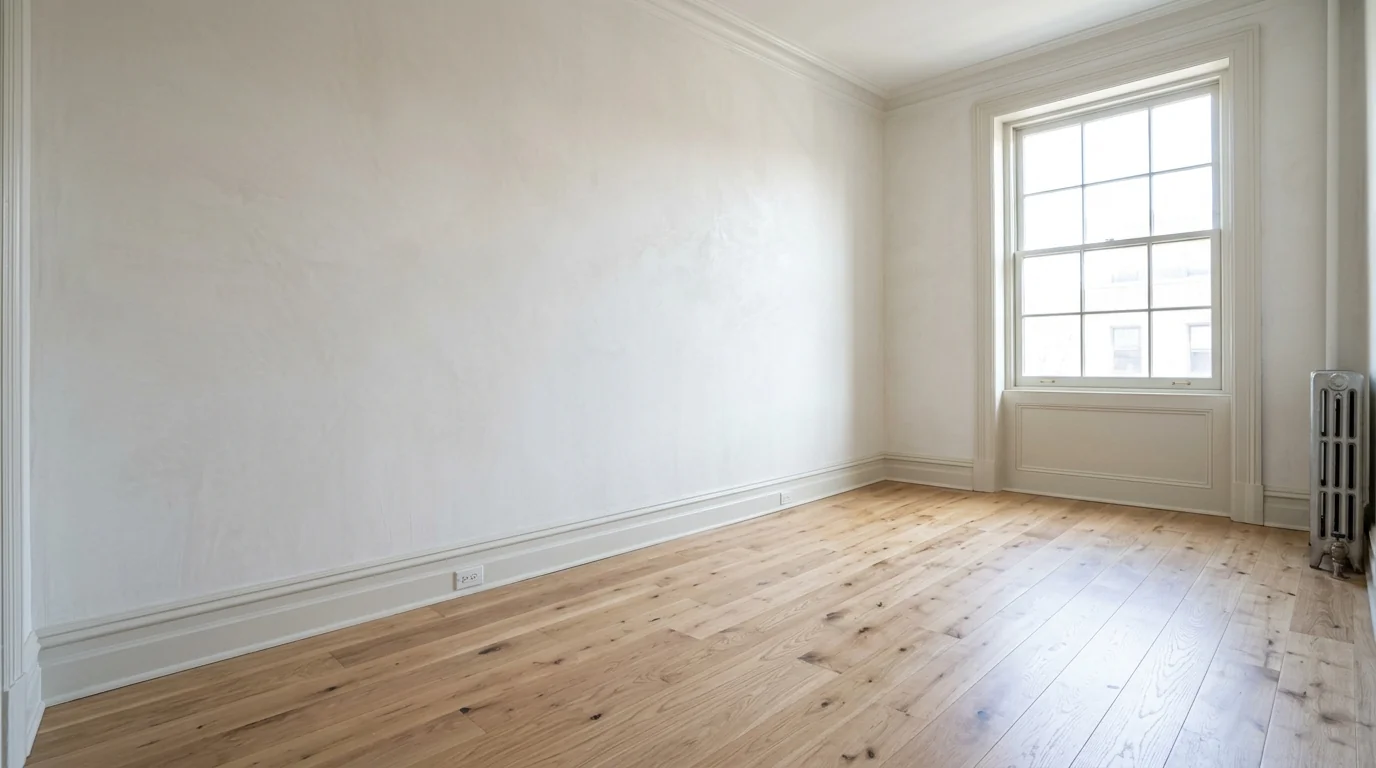
Short answer
Drywall that took water is replaced when it is soft, crumbling, moldy or soaked by dirty water. Clean water drywall that dried quickly can often stay. Repairs go in only after the studs and remaining board read dry, and the new board is taped, finished and painted so the repair does not show.
When drywall stays and when it goes
Drywall is gypsum between paper faces. Brief clean water often dries without harm. Long soaking softens the gypsum, and dirty water or mold means removal whatever the board looks like.
We cut back to sound, dry board at a straight line, install new board, tape and finish in three coats, and paint the full wall so there is no halo around the patch.
What drives the cost of drywall repair
Square footage of board replaced.
Higher flood cuts mean more board and finishing.
Overhead work is slower than walls.
Moisture-resistant and cement board cost more.
Painting whole walls hides the repair.
There is no sourced local range for drywall repair alone; it is usually priced as part of the rebuild.
Flood cuts and replacement
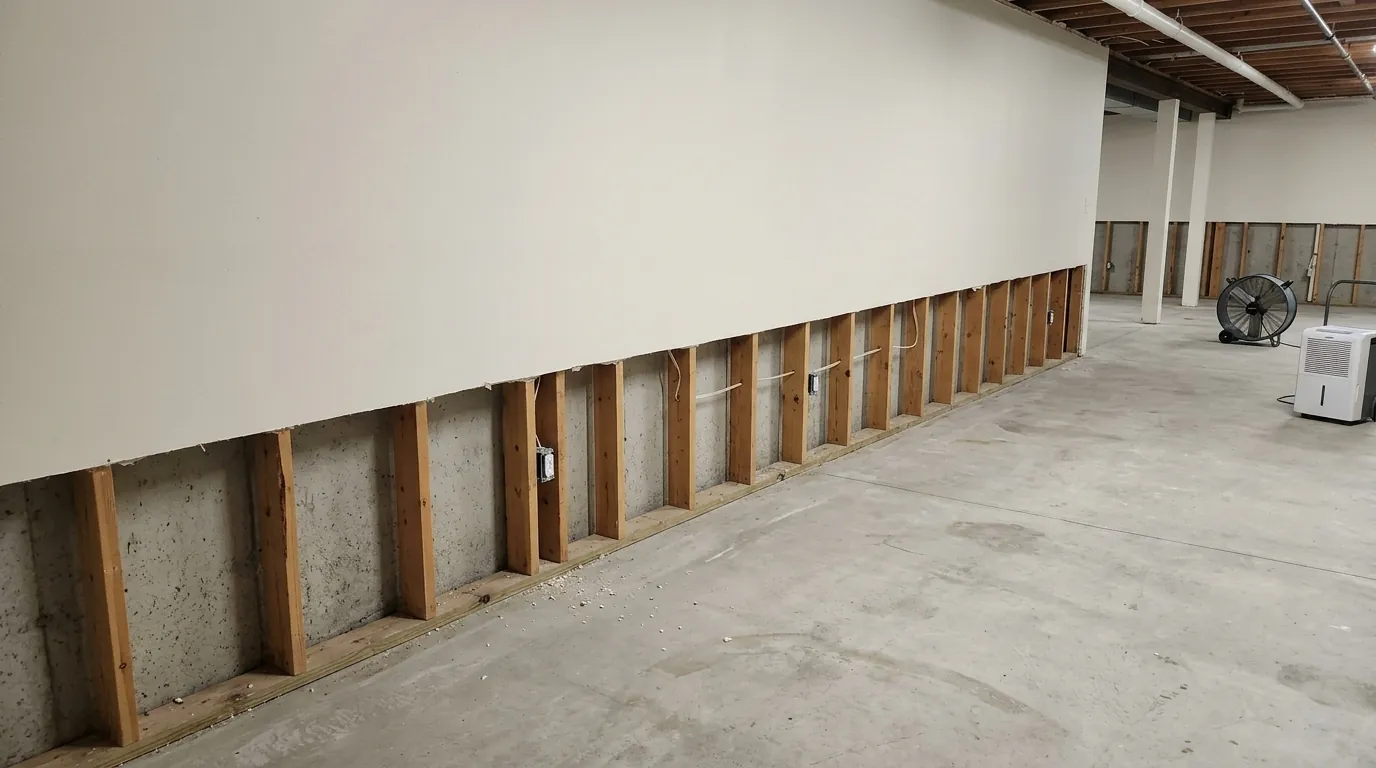
After a flood or a large leak, we cut drywall in a straight line a set distance above the highest water mark. That removes the wet and contaminated board and exposes the studs for cleaning and drying.
Once the cavity reads dry and new insulation is in, we hang new board to the cut line, tape and finish the joint, and paint the full wall. A straight cut at a consistent height makes the repair easier to hide than a ragged hole, and it keeps the rebuild quick.
Ceiling drywall sag
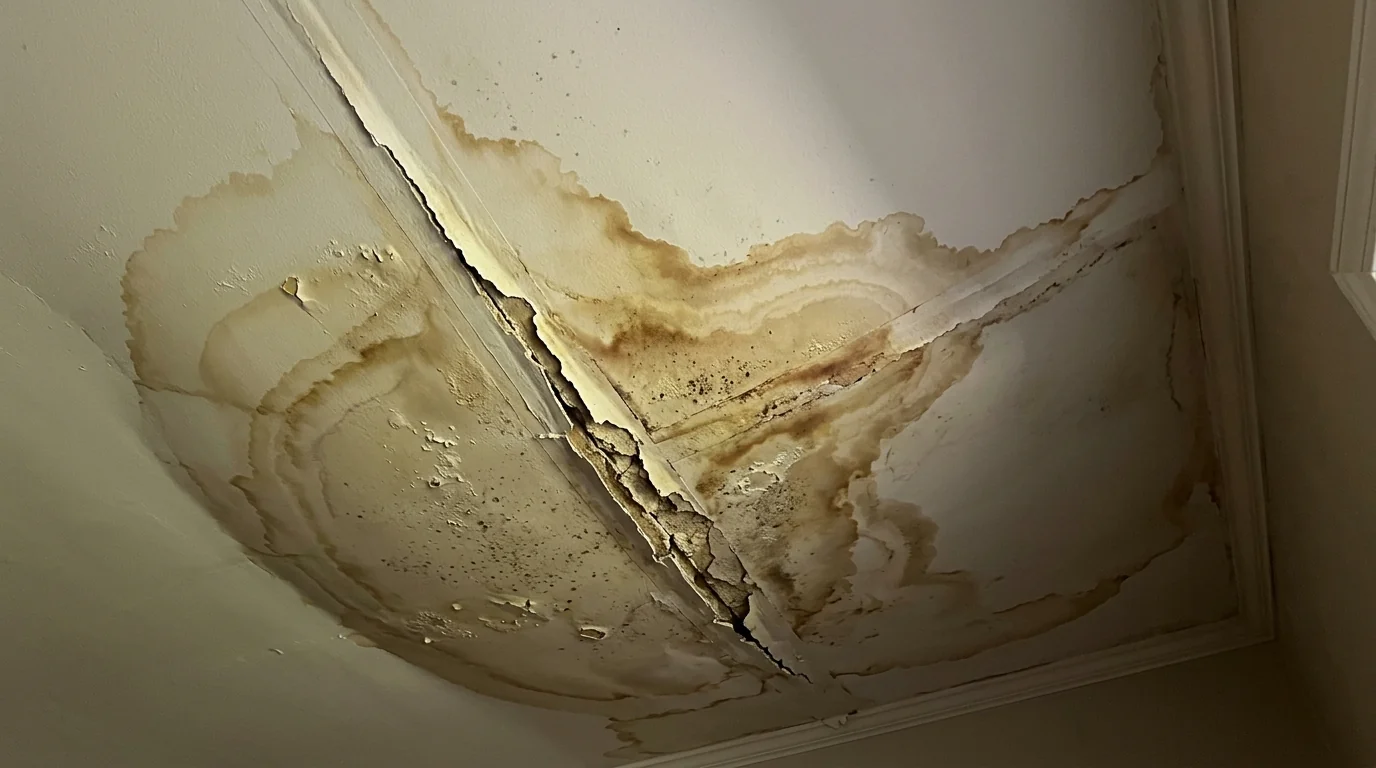
Drywall ceilings sag when water pools on top of them. Even after drying, a sagged panel rarely goes back to flat, and the fasteners may have pulled through.
We remove sagged or stained panels, check the joists and any insulation above, and hang new board with proper fastening. The seams are finished to the rest of the ceiling. A small stain on an otherwise sound ceiling can often be primed with stain-blocker and painted instead, which is cheaper and quicker.
Moisture-resistant board in wet rooms
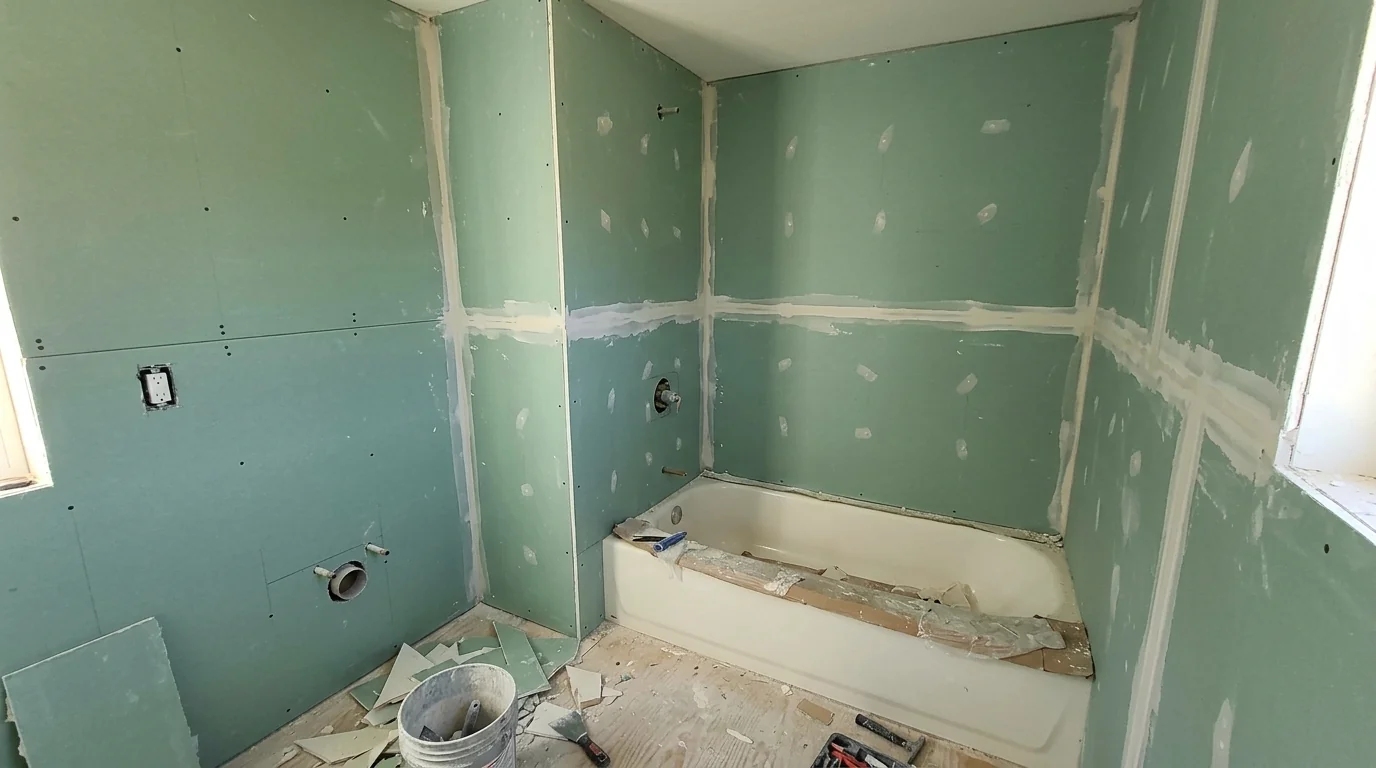
Standard drywall is a poor choice behind tubs, showers and in basements where moisture is expected. It soaks up water and grows mold.
In bathrooms and below-grade rooms we use moisture-resistant or mold-resistant board, and cement board behind tile in showers. It costs a little more than standard board, and it holds up better the next time something leaks. We tell you where the code or the room calls for it, and where it is simply a good choice rather than a requirement.
What our drywall repair includes
- Dry readings before any board goes up
- Straight, squared openings
- New insulation where needed
- The right board for the room
- Three-coat tape and finish
- Primer on stained areas
- Paint on the full wall
Drywall repairs after a street main break
When a century-old 12-inch water main broke at Nepperhan Avenue and Executive Boulevard in Yonkers, water went into about a dozen homes, and one basement took around 4 feet. Losses like that end with the same drywall work in every house on the block: straight flood cuts, dry studs, new insulation and board to the cut line. Doing the cuts at a consistent height is what makes the repair fast and invisible once it is painted.
How we repair water-damaged drywall
Confirm dry
Studs and remaining board read dry.
Square the openings
Ragged edges are cut back to straight lines.
Insulate
New insulation goes in exterior and sound walls.
Hang board
The right board for the room is fastened properly.
Tape and finish
Three coats, sanded smooth.
Prime and paint
The whole wall, so the patch disappears.
Small patches you can do, and what needs a crew
Safe to do yourself
- Nail pops and small holes
- Priming a small dry stain
- Keeping furniture off damp walls
- Photographing damage before repairs
Leave to a crew
- Board that was soaked or is moldy
- Flood cuts and wall cavities
- Sagging ceilings
- Anything touched by sewage or flood water
Questions about drywall repair
Clean water drywall that dried quickly often can. Soft, moldy or dirty-water board is replaced.
Drywall wicks water upward, so the damage goes higher than the mark.
Not once the joint is finished and the whole wall is painted.
In bathrooms and basements it is a good choice.
When readings show the studs and cavity are dry.
When the water damage is covered, usually yes.