Short answer
A strong water or fire claim rests on documentation: dated photos of the damage before anything is moved, moisture readings that show how far water spread and when it dried, and an itemized scope of what was removed and why. We produce that record on every job and meet your adjuster on site. We document; we do not act as a public adjuster.
Why documentation decides claims
Adjusters approve what they can see and verify. A wall removed without a photo or a reading is a wall you may have to argue for. Equipment that ran for a week needs readings that show why.
Our job files are built for that. Photos are taken before, during and after each step, readings are logged daily, and the scope lists each item with a reason. You and your adjuster both get it.
What documentation involves on a job
Photos, readings and scope are part of every restoration job.
Separate files for each unit or owner.
Meeting on site is scheduled with you.
Itemized contents lists add time on larger losses.
Walkthroughs of evidence when a scope is questioned.
Documentation is included in the restoration work; it is not a separate service charge on a job we perform.
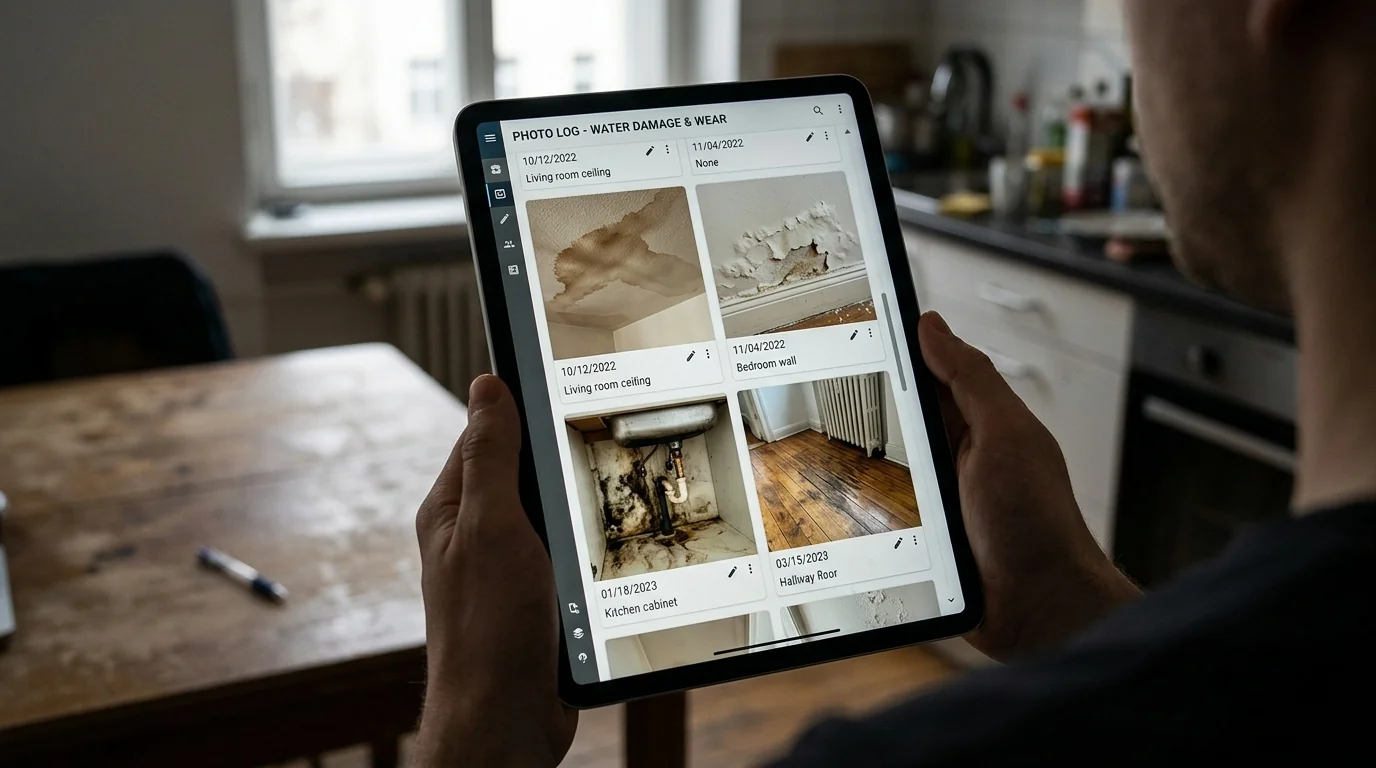
Photo and moisture logs
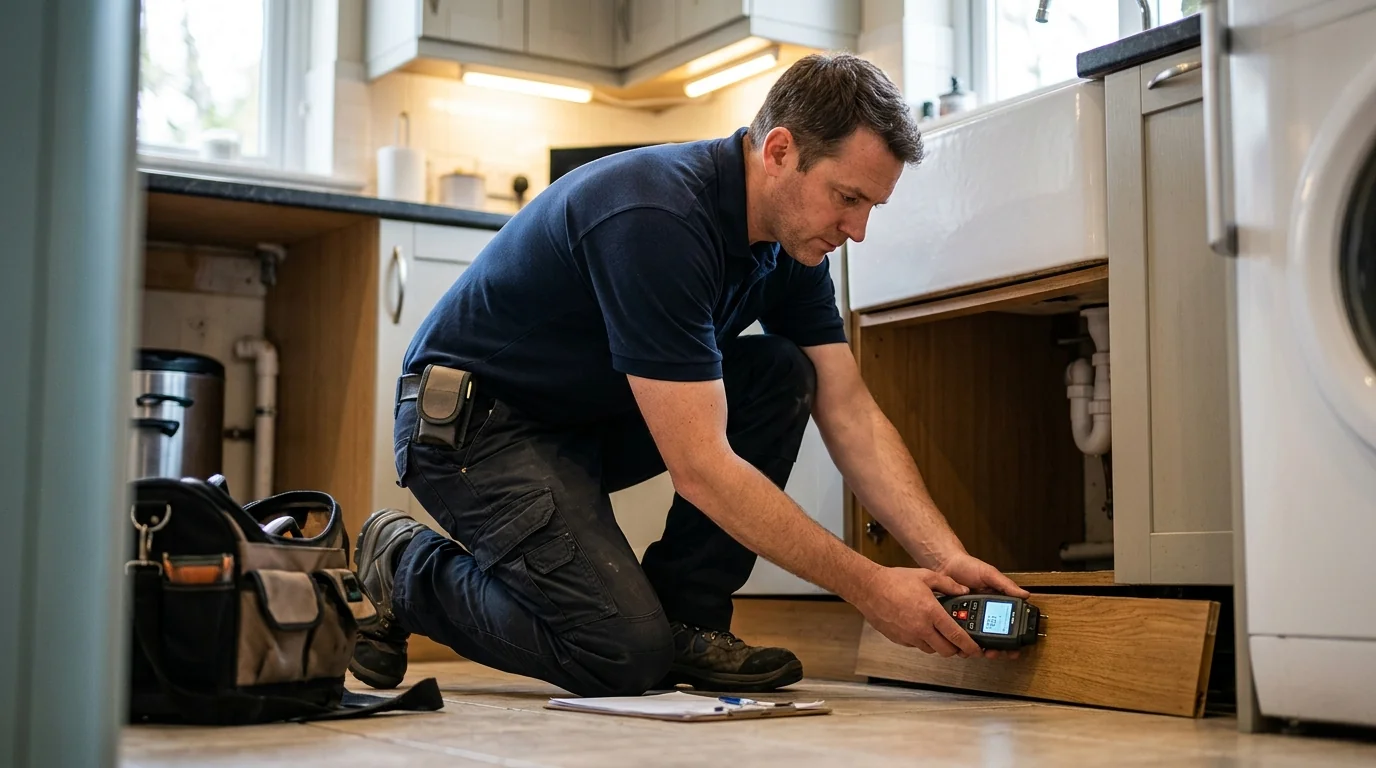
Every room gets photos before anything is moved, with the source of the water, the extent of the damage and the meter readings on the material in view. We repeat the photos and readings every day of drying.
The log shows the damage, the steps taken and the moment each area reached dry. It supports the equipment days on the invoice and answers the question adjusters ask most: was all this necessary? It also records the condition of belongings before they were moved, which helps the contents part of the claim.
Itemized scope of loss
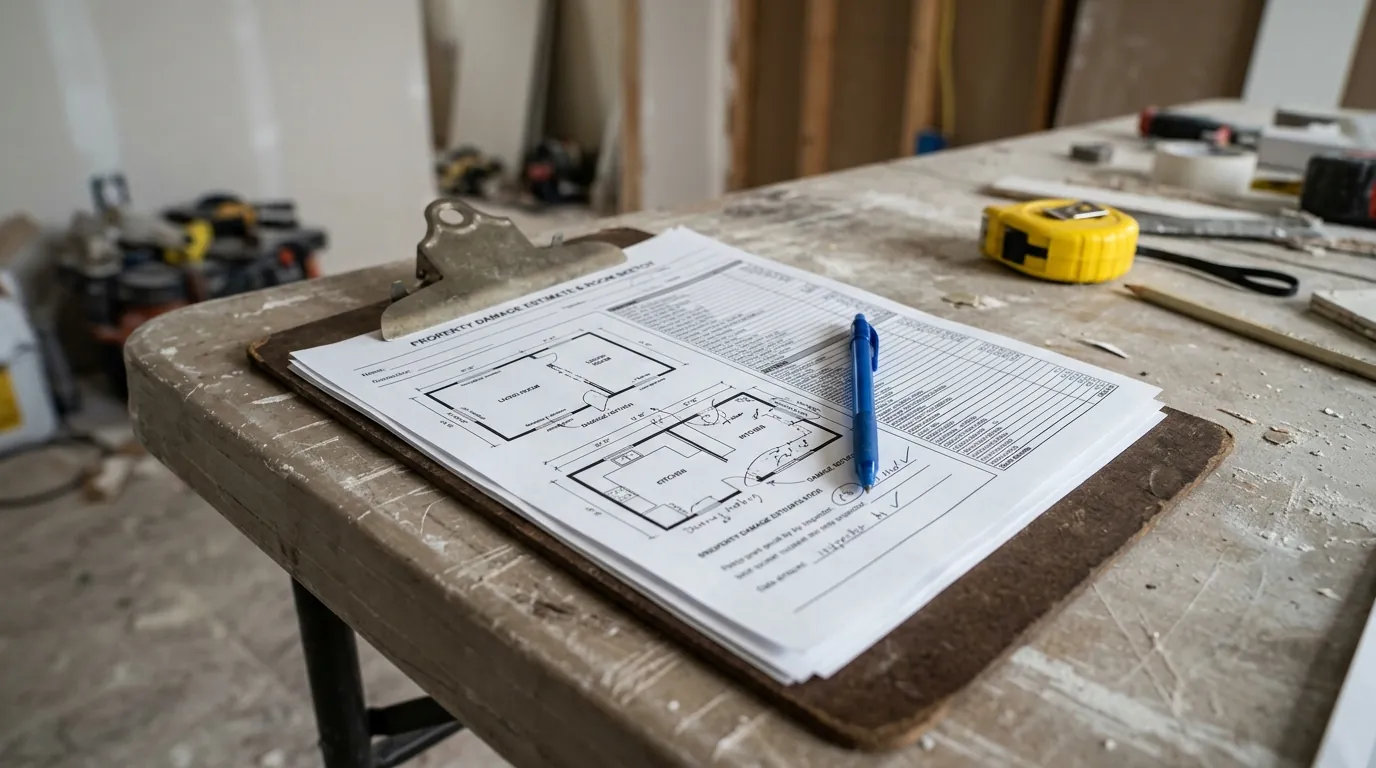
The scope of loss lists every item of work, room by room: square feet of drywall removed, linear feet of baseboard, carpet and pad, equipment days, cleaning, and rebuild.
Each line ties to a photo or a reading, and to a reason. That makes the estimate easier for the adjuster to approve and harder to cut without explanation. When a scope is disputed, we walk the adjuster through the evidence line by line rather than restating the total, and we note any items they want to see again.
Meeting your adjuster on site
Adjusters often visit once, early. If the crew that did the work is there, questions get answered with the evidence in front of them.
We schedule to meet your adjuster, walk them through the damage and the readings, and answer technical questions about drying and removal. We represent the work we did and why; negotiating your settlement is between you and your insurer, or a public adjuster if you choose to hire one. Notes from the visit go into the job file for you.
What your claim file includes
- Dated photos before, during and after
- Moisture readings on a floor plan
- Daily drying logs
- An itemized scope of loss
- Contents inventory where packed out
- Notes from the adjuster visit
- Final dry readings
Documentation after a large storm
After Sandy, more than 71,000 households in Nassau County applied for FEMA help, and about 1,400 homes there were expected to be destroyed or left uninhabitable, most of them in Hempstead. After an event that size, adjusters and assistance programs are overwhelmed, and files with clear, dated photos and readings move faster than files without them. We keep the same standard of records on a single burst pipe as on a regional storm.
How we document a loss
Photograph first
Before anything is moved or removed.
Read and map
Moisture readings on a floor plan.
Log daily
Photos and readings each day of drying.
Itemize
Every item of work with a reason.
Meet the adjuster
On site, with the evidence.
Hand over
The full file to you and your adjuster.
What you should do for your own claim
Your side
- Photograph everything before cleanup
- Report the loss to your insurer promptly
- Keep receipts for emergency costs
- Keep damaged items until the adjuster sees them
Our side
- Moisture readings and drying logs
- Itemizing the scope of loss
- Technical questions from the adjuster
- Separate records for each unit or owner
Questions about claim documentation
Yes. We send them the documentation and meet the adjuster.
No. We document the work; we do not negotiate your settlement.
Not until they are photographed and your adjuster agrees.
We walk them through the photos and readings line by line.
Yes, the full file is yours.
Each gets a separate record for their own insurer.