Short answer
Most belongings exposed to smoke or clean water can be cleaned rather than replaced. Hard goods such as dishes, decor and metal items clean well in ultrasonic tanks, clothing and textiles go through smoke-specific cleaning, and electronics are cleaned of soot before the residue corrodes them. Items soaked by sewage or flood water are usually discarded.
Clean or replace: how we decide
The decision turns on three things: what the item is made of, what it was exposed to, and what it is worth to you. A cast iron pan and a family photo both clean well; a foam pillow soaked by flood water does not.
We test, clean what makes sense, and list what does not with photos so it goes on your claim. Sentimental items get the attempt even when the math says replace.
What usually cleans, and what usually goes
| Item | Smoke or clean water | Sewage or flood water |
|---|---|---|
| Dishes, glass, metal | Clean | Clean and disinfect |
| Clothing and bedding | Clean | Often discard |
| Upholstered furniture | Often clean | Usually discard |
| Electronics | Clean, then check | Specialist or replace |
What affects the cost of contents cleaning
Typical US range for deodorizing furniture after a fire, per Angi. Source, 2026. A planning range, not a quote.
The number of items and boxes.
Wet soot and protein residue take longer.
Leather, silk and electronics need special methods.
Chamber treatment adds time.
Cleaning low-value items may cost more than replacing them.
Ultrasonic cleaning of hard goods
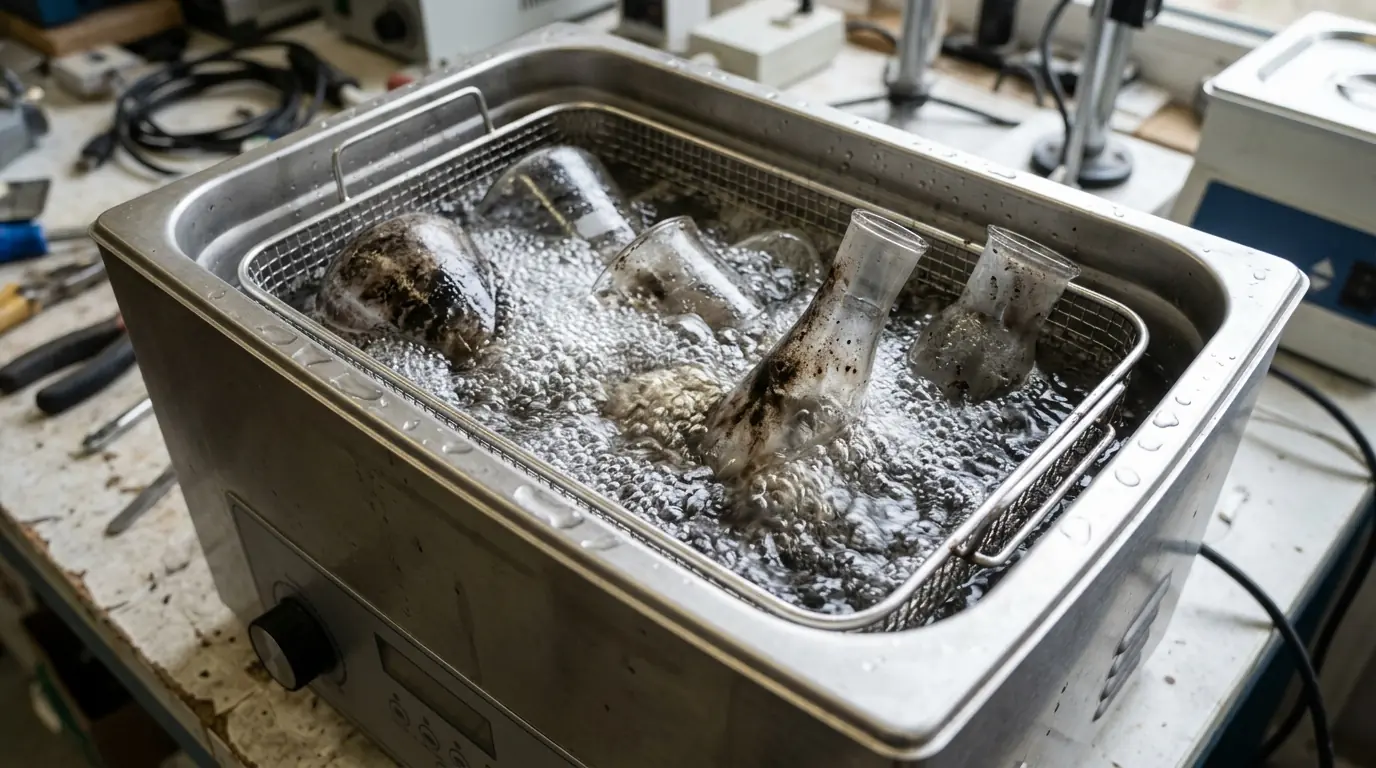
Ultrasonic tanks send high-frequency sound through a cleaning solution, which forms tiny bubbles that lift soot from every crevice. Dishes, glassware, ceramics, metal decor, blinds and toys come out clean in a fraction of the time hand washing takes.
Items are cleaned, dried, wrapped and returned or stored. Delicate or valuable pieces are tested on a small area first. For many homes after a fire, the kitchen cabinets alone hold hundreds of items, and ultrasonic cleaning is the only practical way to save them.
Clothing and textile smoke cleaning
Smoke odor and soot set into fabric, and washing smoky clothes at home often sets the smell in rather than removing it.
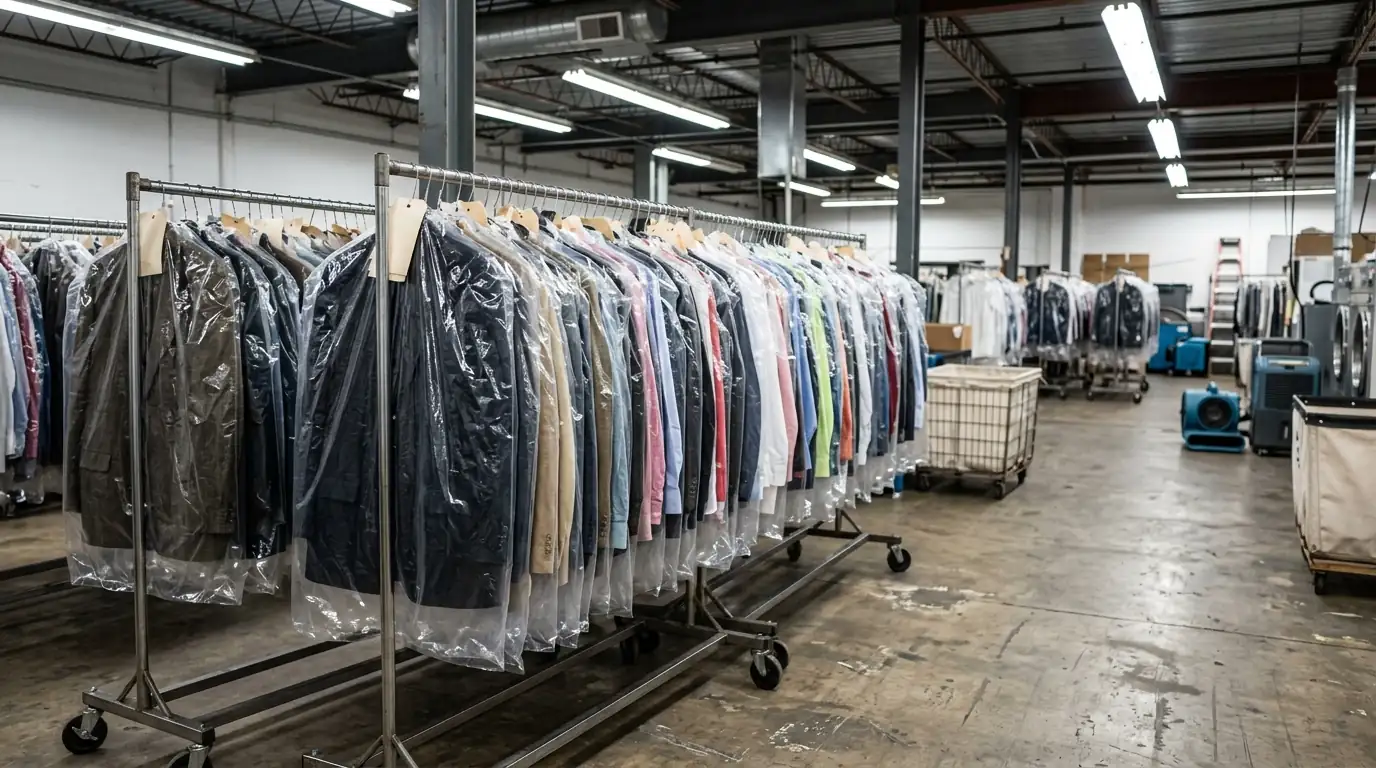
We clean clothing, bedding and curtains with detergents and treatments made for smoke residue, and treat odor in a controlled chamber when needed. Across the market, deodorizing furniture after a fire typically runs $200 to $1,000. Leather, silk and wool are handled separately with methods suited to each. Everything comes back folded or on hangers and bagged, so it does not pick up odor again in storage or in a room that is still being worked on.
Soot cleaning on electronics
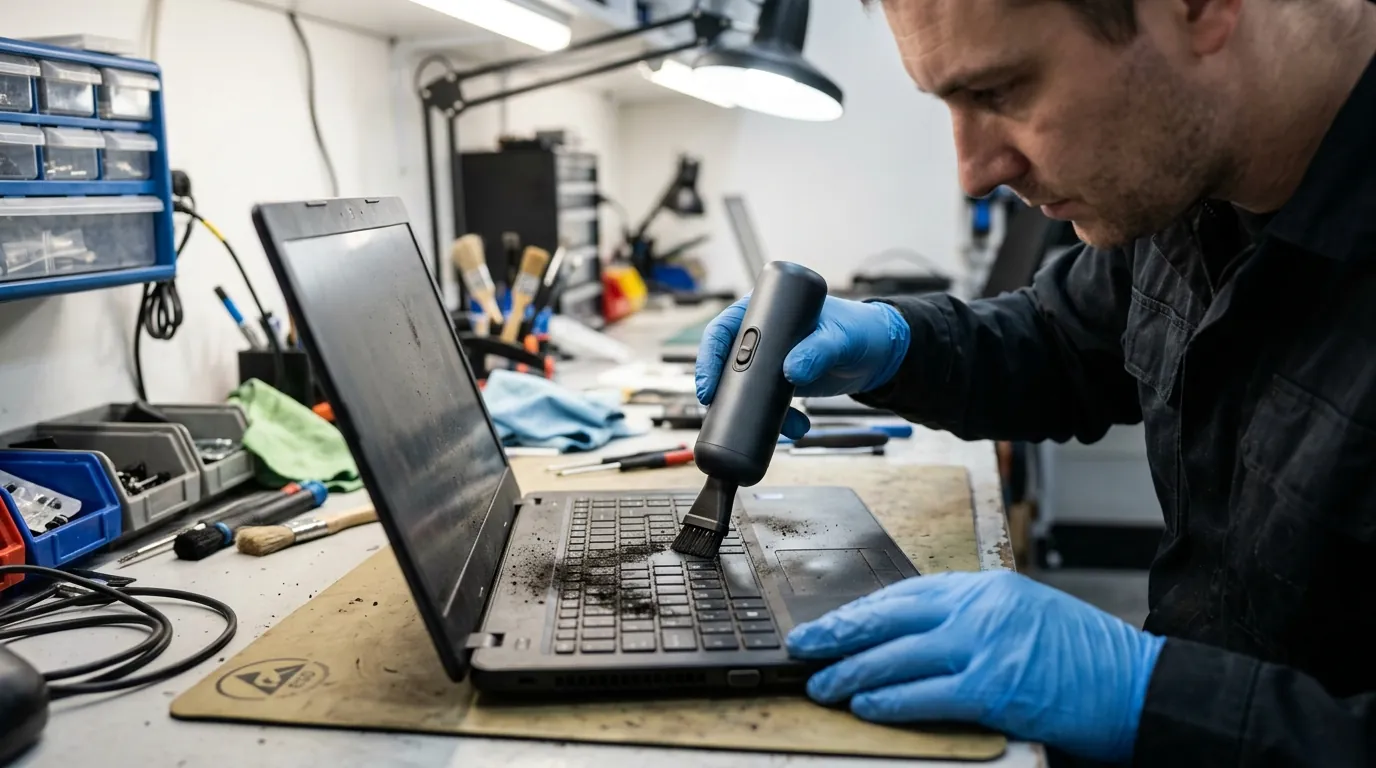
Soot is acidic and conductive. On electronics it causes corrosion and short circuits over time, even if the device works right after the fire.
We keep devices unplugged, clean soot from cases, keyboards, vents and screens, and send heavily affected items to an electronics specialist. Devices soaked by water are not powered on until they are checked. Data on phones and computers is the priority, so we tell you which devices to get backed up first, before anything else is done to them.
What contents cleaning includes
- Inventory and photos before cleaning
- Ultrasonic cleaning of hard goods
- Smoke-specific textile cleaning
- Odor treatment for fabrics
- Electronics soot cleaning
- Separate handling of valuables
- A list of items not worth cleaning
Belongings after a battery fire
The FDNY counted 277 lithium-ion battery fires in New York City in 2024, and many of them happen in bedrooms and hallways where e-bikes are charged. The residue those fires leave on nearby clothes, bedding and electronics is heavier than ordinary soot. Items close to the origin are often not worth cleaning, while belongings in other rooms usually are, so we sort by distance from the fire before deciding what goes to cleaning.
How contents cleaning runs
Inventory
Items are photographed and listed.
Sort
Clean, test or list for replacement.
Clean hard goods
Ultrasonic or hand cleaning.
Clean textiles
Smoke-specific washing and odor treatment.
Clean electronics
Soot removed; specialists where needed.
Return or store
Wrapped and returned, or stored until move-back.
Questions about contents cleaning
Most can, with smoke-specific cleaning. Do not wash them at home first.
Many do after cleaning. Do not power on anything that got wet.
Some items, yes. Most go to our cleaning area.
Usually, under the contents part of the policy.
They are photographed and listed for your claim.