Short answer
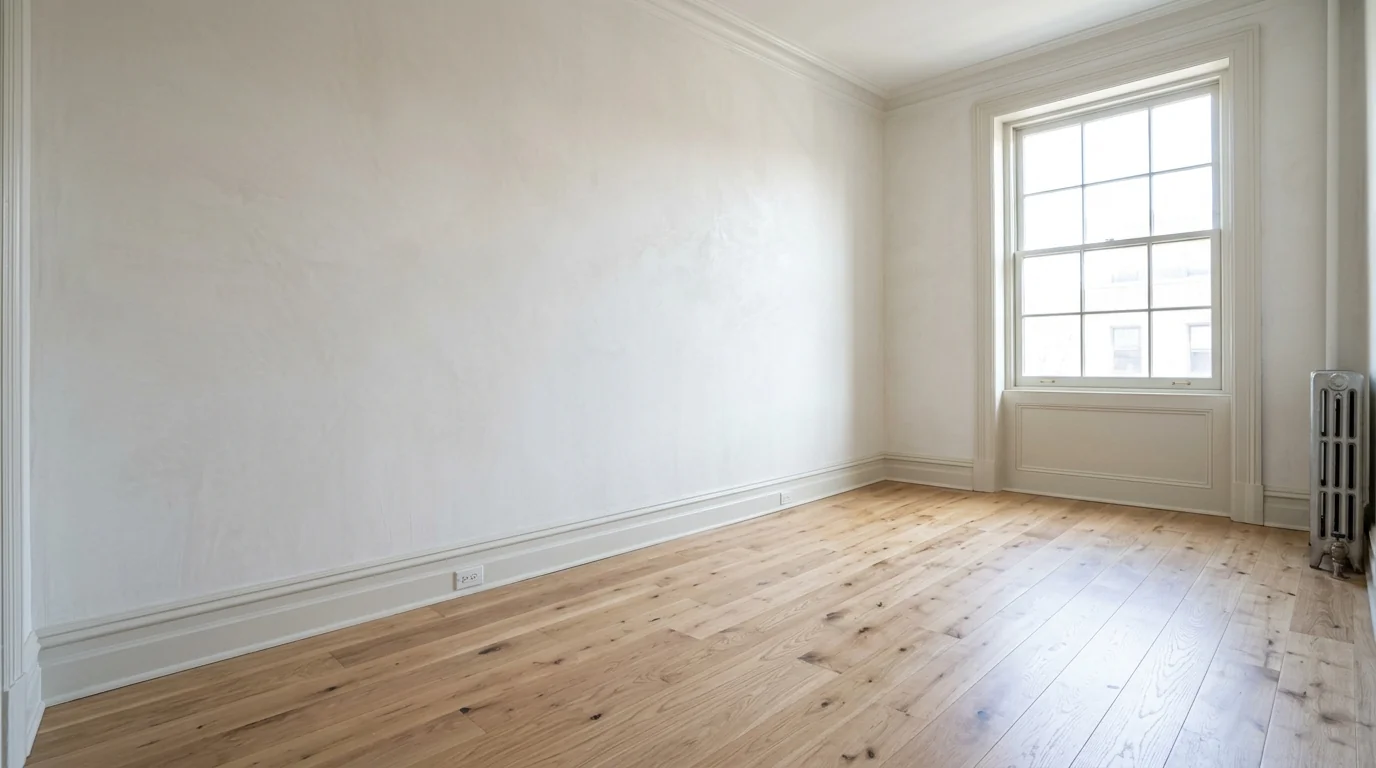
In a co-op or condo, a single leak often damages several units and a common area, and responsibility is split between the building and individual owners under the proprietary lease or bylaws. The restoration work is the same; what differs is coordination. Each unit and the common areas need separate scopes, photos and records.
Why building losses need more than a drying crew
When water runs down a riser through three apartments, three owners, the board and several insurers are involved. Each needs to know what was damaged in their space and who is doing what.
We work with the managing agent to schedule access, keep a separate file for every unit and for the common areas, and report to the agent and the board in plain language.
What affects the cost of a building loss
Each unit is a separate scope.
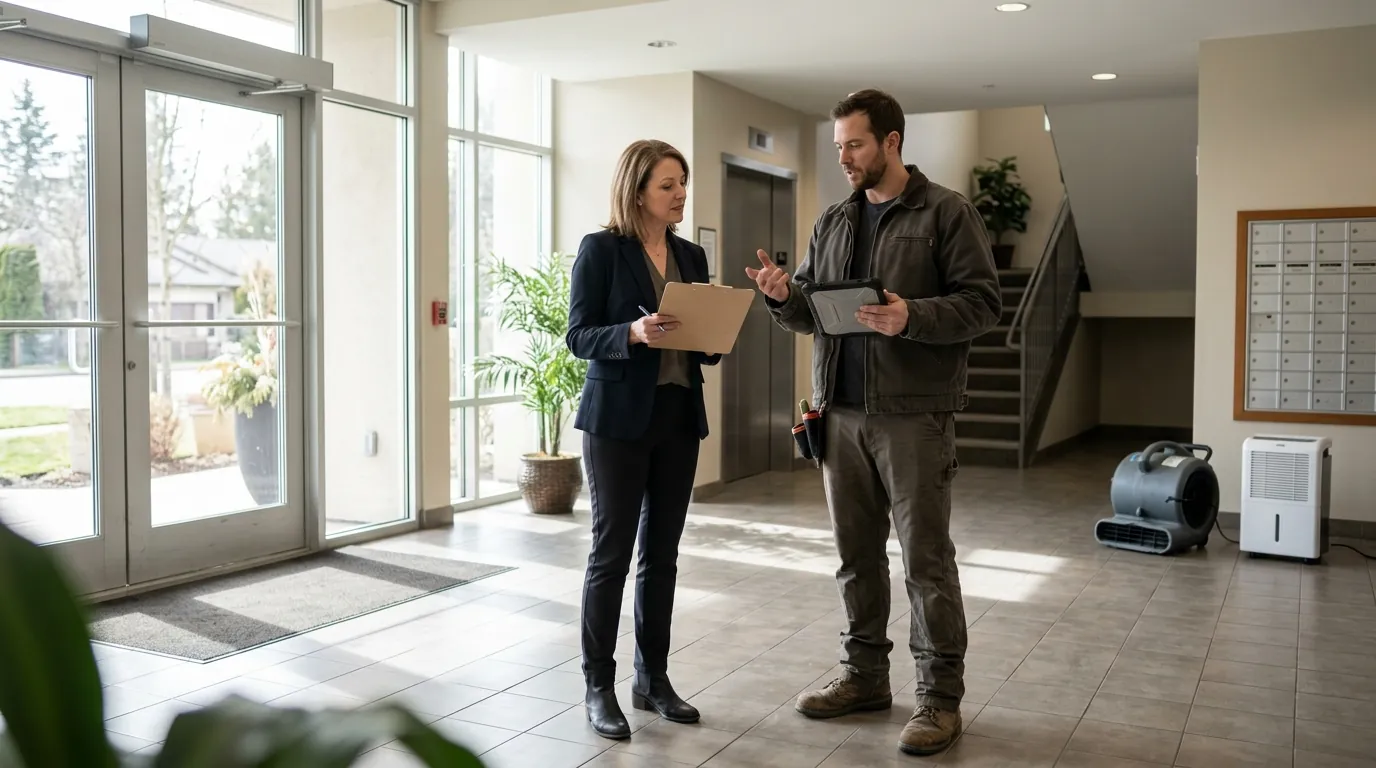
Hallways and lobbies add cleaning and repair.
Riser or roof repairs are separate trades.
Scheduling across many residents takes time.
Older lobbies and hallways need careful work.
There is no single sourced range for building losses; each unit and the common areas are priced separately.
Multi-unit leak losses
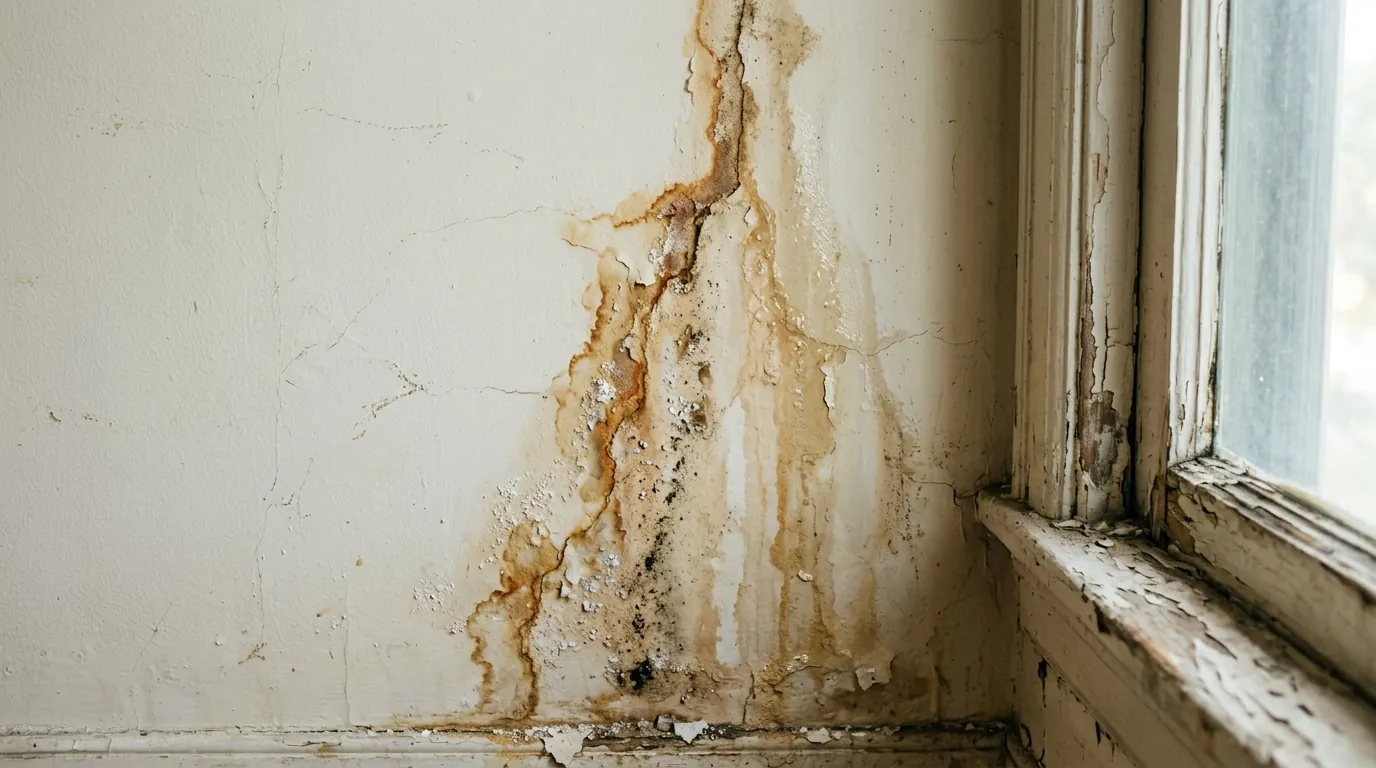
Leaks from a riser, a roof or an upstairs unit rarely stop at one apartment. Water follows pipes and chases down through several floors, and each affected unit may be owned by a different person.
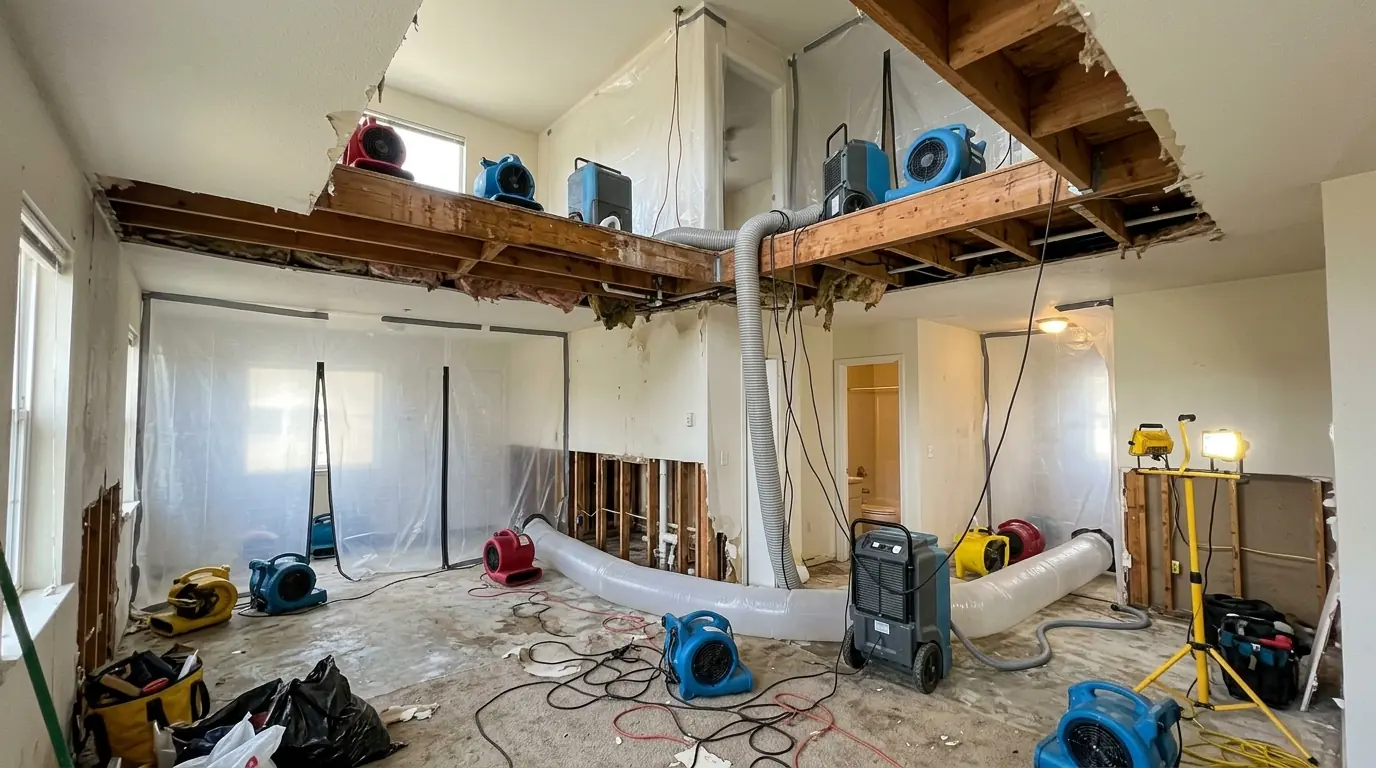
We trace the path, dry each unit and keep a separate photo and moisture record for each. That lets each owner’s insurer, and the building’s, handle their part without arguing over whose damage is whose, and it shows the board exactly how far the water went.
Working with managing agents and boards
Managing agents need access schedules, contractor paperwork and clear updates. Boards want to know the cause, the cost and how long it will take.
We provide the paperwork the building asks for before starting, coordinate access through the agent, and give short written updates as the job moves from drying to rebuild. Where the work touches building systems, such as risers or the roof, we work alongside the building’s own plumber and roofer rather than around them, so nobody is surprised by who is on site.
Hallway and common area damage
Hallways, stairwells, lobbies and elevators are the building’s responsibility. Smoke from a unit fire, water from a leak or a sprinkler discharge often damages them along with the units.
We clean and dry common areas on their own scope, schedule noisy work to limit disruption to residents, and keep exits usable throughout. Carpet runners, wallpaper and plaster in older lobbies are dried and cleaned where possible rather than replaced, and the building gets its own record for the master policy.
What buildings get from us
- Separate file for every unit
- Separate scope for common areas
- Paperwork the building requires before work
- Access coordinated through the agent
- Plain-language updates for the board
- Work alongside the building’s own trades
- Exits kept usable throughout
Leaks and responsibility in New York co-ops
In New York co-ops and condos, each building’s proprietary lease or bylaws decide who pays for what after a leak, and boards tend to follow them closely. Often the building handles pipes inside the walls and common areas, and each owner handles the finishes inside their unit, but the details vary from building to building. We do not decide that. We document each space separately so the agent, the board and the insurers can apply their own rules to a clear record.
How a building job runs
Report to the agent
We confirm the source and affected units.
Paperwork
We provide what the building requires before work.
Schedule access
Units are scheduled through the agent.
Dry and clean
Each unit and common area separately.
Update
Short written updates for the agent and board.
Rebuild
Unit and common area repairs, each on its own scope.
How long building restoration takes
Drying across several units usually takes three to seven days, limited mostly by access to each apartment.
Rebuild follows on each unit’s own schedule, and common areas are often done last so they are not damaged again.
Questions about co-op and condo buildings
The proprietary lease or bylaws decide. We document so each party can apply them.
For common areas, yes. Owners may choose for their own units.
Yes, we send the paperwork the agent asks for.
Through the managing agent, with residents’ consent.
Through the agent, in short written updates.