Short answer
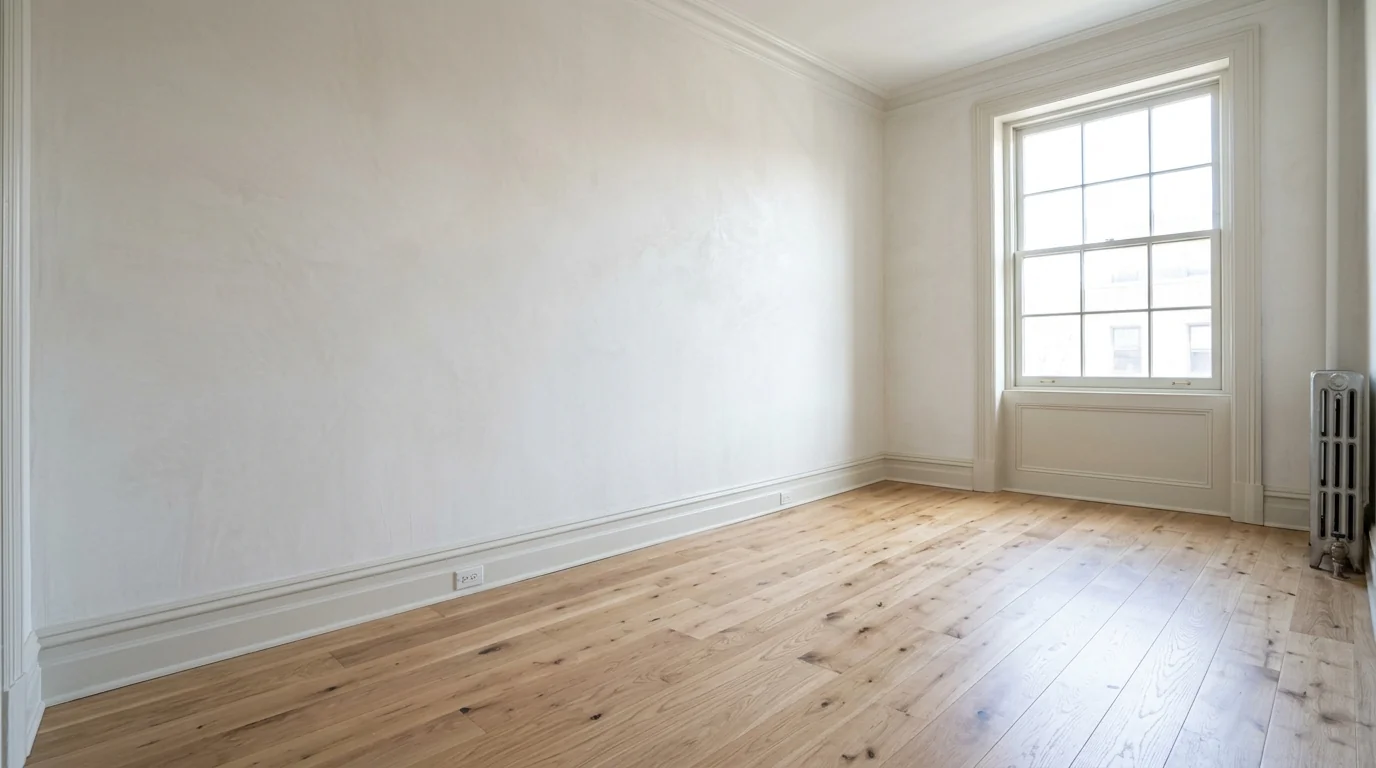
Water-damaged plaster can often be saved if it is still bonded to the lath once it dries. Loose, sagging or crumbling sections are removed and repaired with new plaster, or with a drywall patch skim-coated to match. Crown moldings and ceiling medallions can be repaired or recast. The repair waits until the plaster and lath read dry.
Why plaster is repaired differently from drywall
Plaster is hard, dense and keyed into the lath behind it. When it gets wet, the keys can break and the plaster loses its grip, even if the surface looks fine. A drywall patch in a plaster wall shows as a different texture and a visible edge.
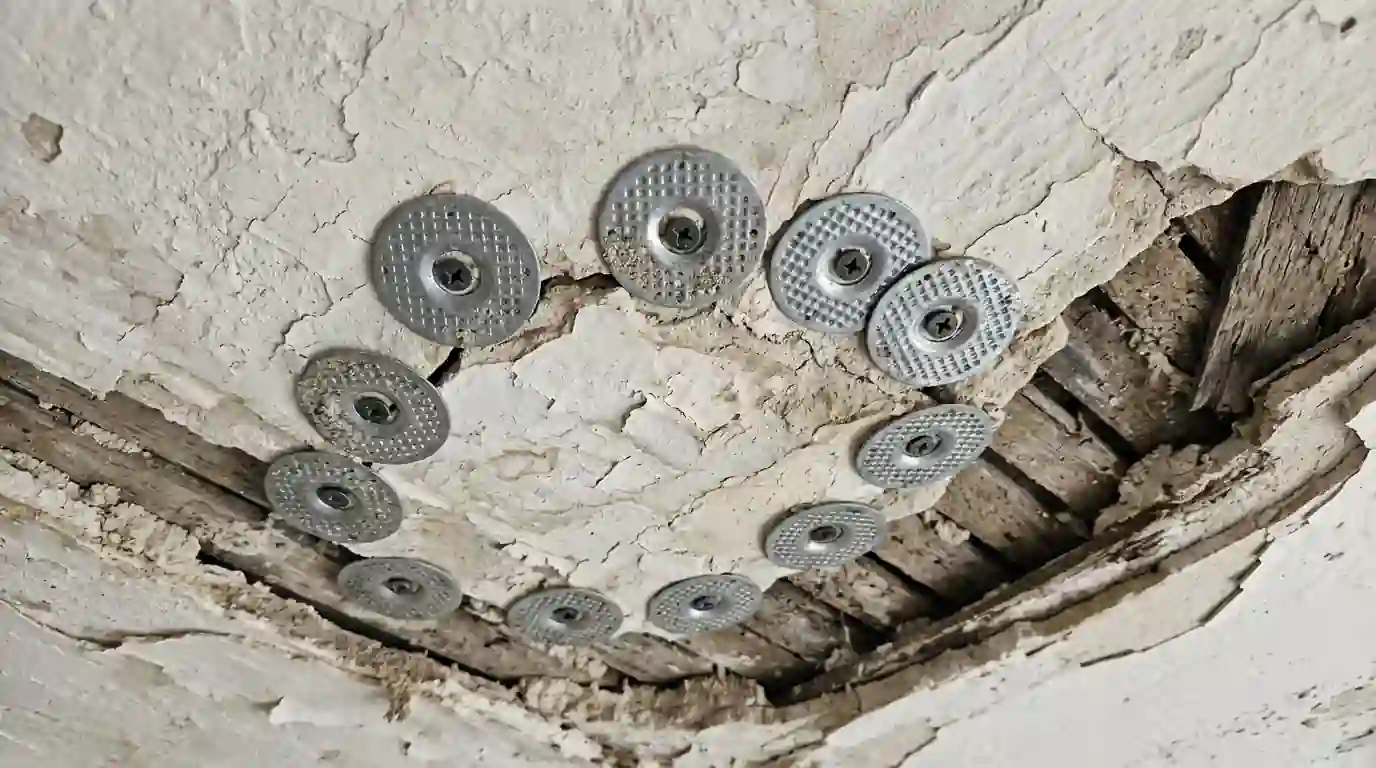
We check the bond by sound and touch, secure sound plaster with plaster washers, remove what is loose, and rebuild the area to match the thickness and finish of the wall around it.
Plaster or drywall for the repair
| Option | Suits | Trade-off |
|---|---|---|
| Plaster on existing lath | Sound lath, original walls | Slower, best match |
| Drywall patch, skim coated | Damaged lath, flat walls | Faster, good match when skimmed |
| Veneer plaster on board | Larger areas | Hard plaster finish, quicker base |
| Cast molding sections | Missing crown or medallion | Takes a profile and time |
What affects the cost of plaster repair
A crack differs from a fallen ceiling.
Damaged lath adds replacement.
Running or casting a profile takes time.
Skim coating the whole wall hides the patch.
High ceilings need scaffolding.
There is no sourced local range for plaster repair; we price it once the plaster is dry and the bond is checked.
Three-coat plaster on lath
Older buildings have plaster applied in three coats over wood or metal lath: a scratch coat, a brown coat and a thin finish coat. Leaks soften the base coats and break the keys that hold the plaster to the lath.
Where the lath is sound and dry, we rebuild the missing area in layers to match the original thickness, so the patch is flush and does not crack at the edge. Where the lath is damaged, we replace it or use a modern base with a plaster finish on top that matches the wall around it.
Crown molding and ceiling medallions
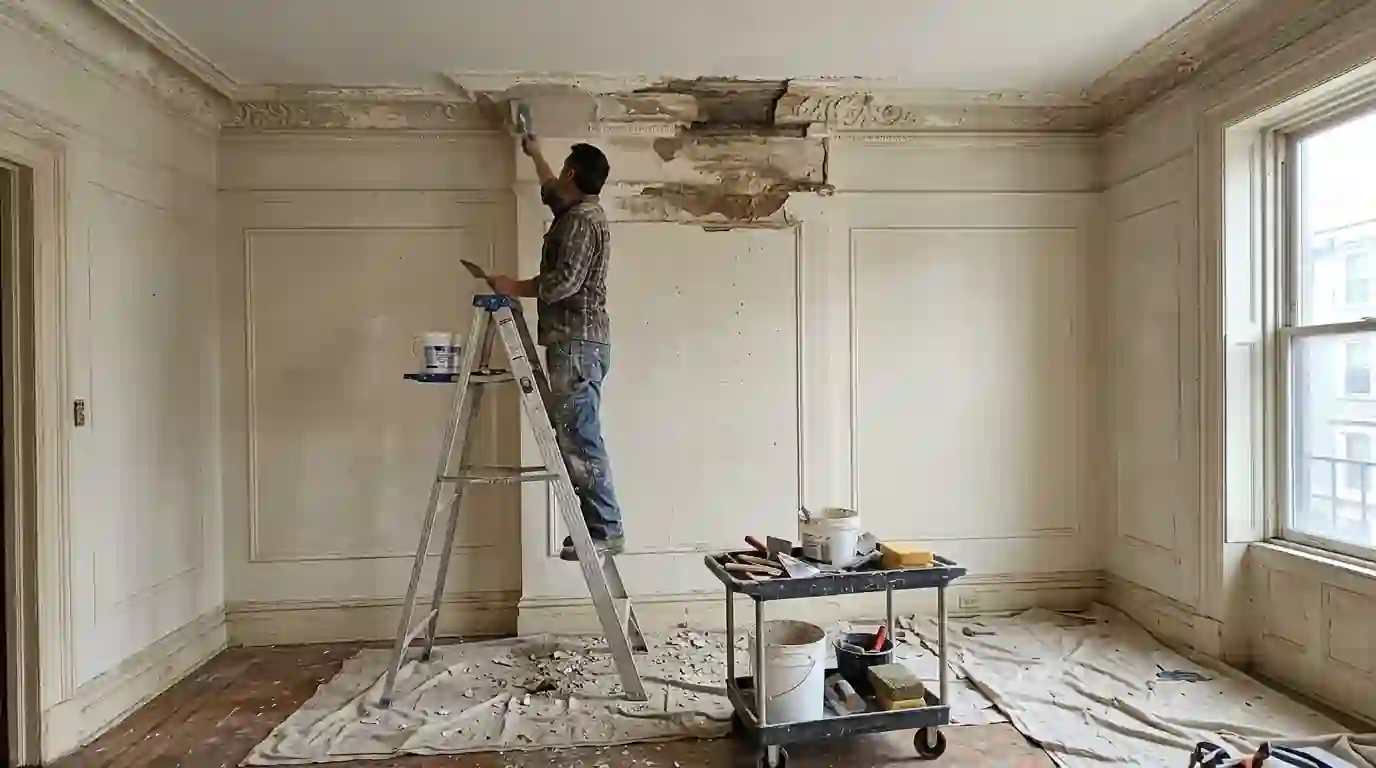
Cornices, crown moldings and ceiling medallions in older apartments are often run in plaster on site or cast. Water from above softens them, and they crack or drop in sections.
Small breaks are repaired in place. For missing sections, we take a profile from the surviving molding and run or cast a matching piece. It is slower than replacing with a stock profile, but it keeps the room looking like it did before the leak, and it is often what the building and the owner expect.
Skim coating over patched areas
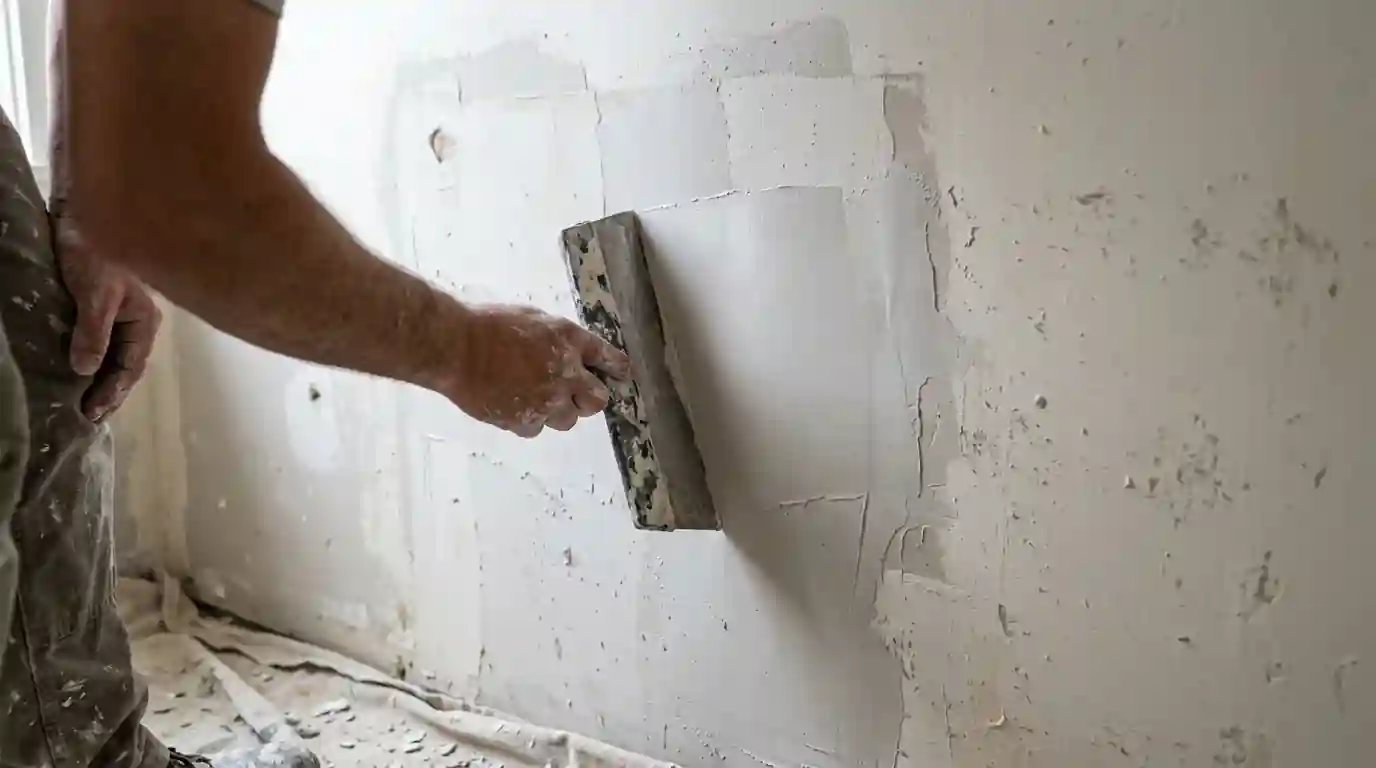
Even a well-made patch can show under raking light from a window. A skim coat, a thin layer of plaster troweled over the patch and the surrounding wall, makes the whole surface one finish.
We skim the wall or ceiling to the nearest natural break, such as a corner or a molding, so there is no visible edge, then prime and paint. On walls that have been painted many times, skimming also hides old cracks and gives a better base for the new paint.
Plaster in landmark and older buildings
About 27 percent of lots in Manhattan are regulated by the Landmarks Preservation Commission, far above the 3.4 percent citywide. Landmark rules mostly cover exteriors, but the same buildings tend to have original plaster, cornices and medallions inside, and owners want them kept. That is why we repair plaster in plaster where the room calls for it, and match molding profiles rather than swapping in a stock piece that looks wrong the moment you walk in.
How we repair water-damaged plaster
Wait for dry
Plaster and lath must read dry first.
Check the bond
Sound, loose and missing areas are marked.
Secure what stays
Plaster washers reattach sound plaster.
Remove what is loose
Crumbling sections are cut back to firm edges.
Rebuild in layers
Base coats and finish match the wall.
Skim, prime and paint
The repair blends into the room.
What to leave alone, and what you can do
Safe to do
- Keep people out from under sagging plaster
- Photograph cracks and stains
- Let the plaster dry fully
- Keep broken molding pieces for matching
Leave to a plasterer
- Removing loose or sagging plaster
- Rebuilding three-coat areas
- Running or casting moldings
- Skim coating a whole wall or ceiling
Questions about plaster repair
Often, if it is still bonded to the lath once it dries.
You can, skim coated. Plaster matches old walls better.
Yes, by running or casting a matching profile.
Not if the plaster is secured and the patch is built up properly.
New plaster needs to cure before primer and paint.
When the leak or fire is covered, the repair usually is.