Short answer
A pack-out moves belongings out of a damaged home so drying, cleaning and rebuilding can happen, and protects them from further damage. Every item is photographed and listed by room and box. Items that need cleaning are separated, damaged items are documented for the claim, and everything comes back to the room it came from.
Why pack-out protects both the home and the claim
Drying equipment, demolition and rebuild work need clear rooms. Belongings left in place get dusty, damp or damaged, and they slow the work down.
A proper pack-out is also a record. The inventory, photos and box numbers become the contents list for your claim, and they make sure what went out is what comes back.
What affects the cost of a pack-out
Number of rooms and boxes.
Walk-ups and elevator bookings add time.
Longer rebuilds mean longer storage.
Items needing cleaning are handled separately.
Art, pianos and antiques need extra handling.
Pack-out and storage are usually covered under the contents part of a homeowners or renters policy.
Room-by-room inventory
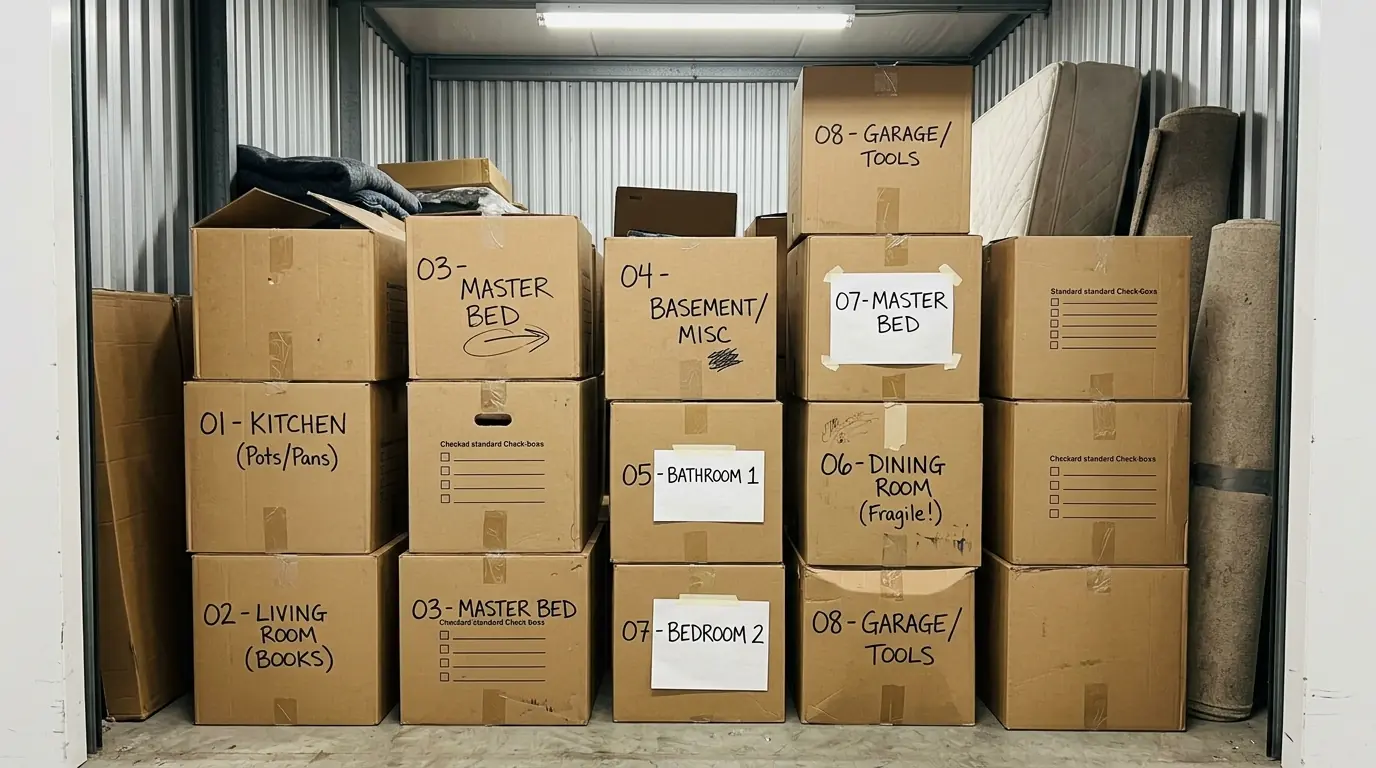
Every item is photographed where it sits, given a box number and listed by room. Items that are wet, sooty or damaged are marked as such, so the list shows condition at the time of the loss.
You get a copy of the inventory, and so does your adjuster. It replaces the job of reconstructing a contents list from memory weeks later, which is where most contents claims go wrong. High-value items are noted separately and packed with extra care.
Off-site storage during the rebuild
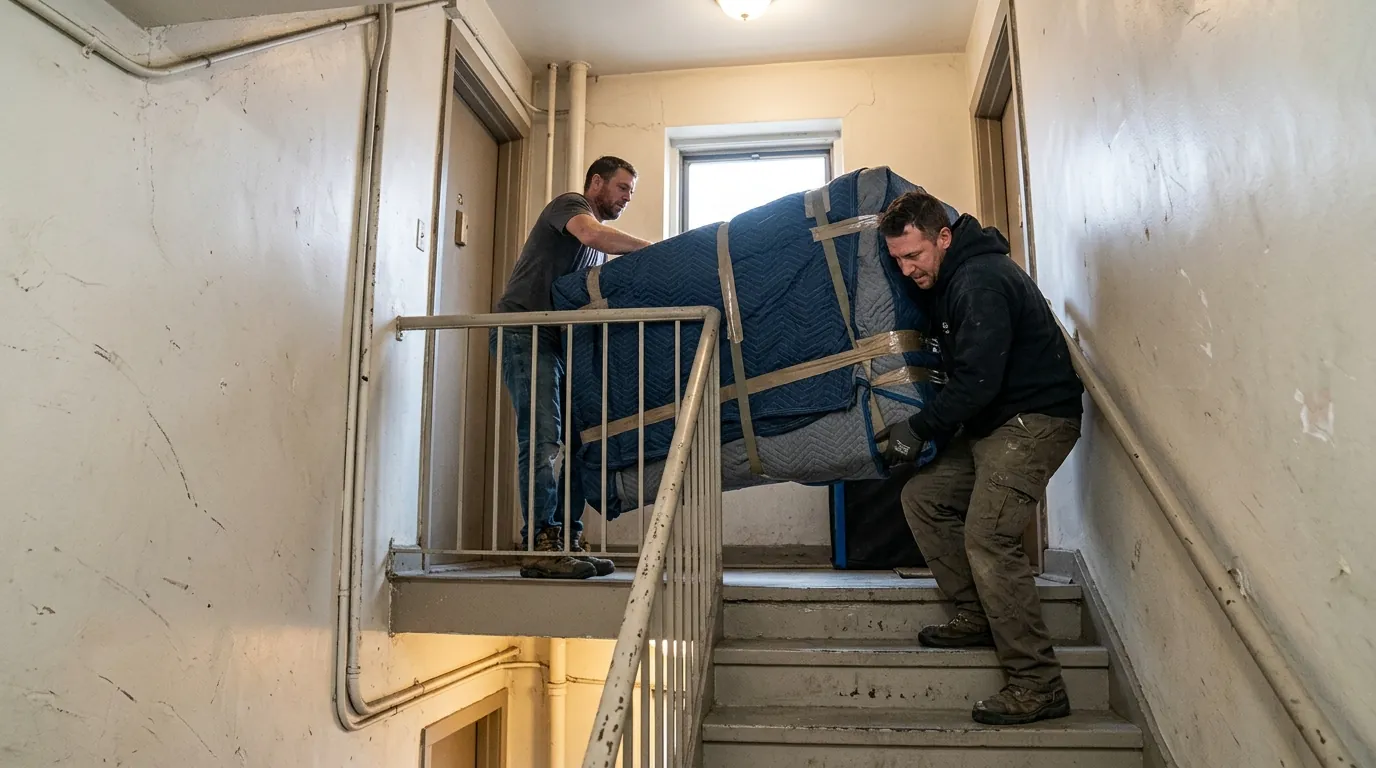
Packed belongings go to secure, climate-controlled storage for the length of the job. Items that need cleaning go to our cleaning team first, then into storage once they are clean.
Nothing damp goes into storage, because it would mold there. If you need something from storage during the job, such as documents, a winter coat or a laptop, we pull it by box number and bring it to you rather than making you search for it. The storage record shows where every box is at any point in the job.
Move-back and placement
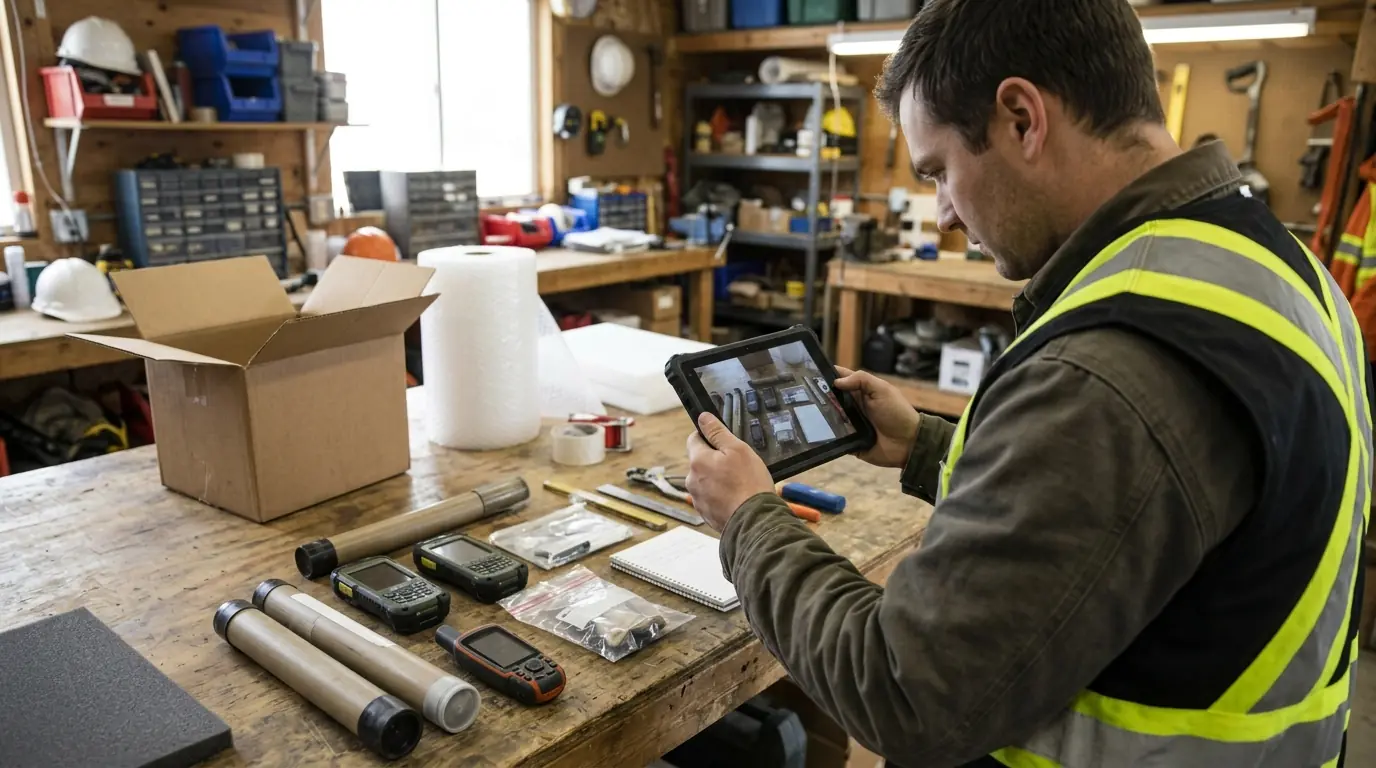
When the rebuild is finished and the rooms are clean, everything comes back. The inventory tells the crew which room each box goes to, and furniture is placed where it was, or where you now want it.
We unpack on request, check each item against the inventory with you, and take away the packing materials. Anything missing or damaged in handling is noted on the spot. Moving back feels like getting your home back, so we try to finish it in one visit.
What a pack-out includes
- Photos of every room before packing
- Numbered boxes with room labels
- A written inventory for you and the adjuster
- Separation of items for cleaning
- Climate-controlled storage
- Retrieval of items by box number
- Move-back and placement
Pack-outs when the move is up the stairs
Ida dropped nearly 9 inches of rain on parts of Staten Island, and many of the pack-outs after a storm like that are from basements and ground floors, where belongings sat in the water. In apartment buildings the challenge is different: service elevators, reserved move times and walk-up stairs. We book elevator time with the super, pad hallways and doors, and plan the order so the rooms that need drying first are cleared first.
How a pack-out runs
Walk through
You tell us what matters most.
Photograph in place
Each room and item before it moves.
Pack and label
Boxes numbered and listed by room.
Separate for cleaning
Wet or sooty items go to cleaning.
Store
Secure, climate-controlled storage.
Move back
Everything returns to its room.
How long a pack-out takes
Most apartments are packed out in one or two days. Larger homes and walk-ups take longer.
Storage lasts as long as the rebuild, and move-back usually takes a day.
Questions about contents pack-out
For the walk-through, ideally. After that, we can work with you away.
Yes. We pull it by box number and bring it to you.
Usually, under the contents part of the policy.
They are photographed and listed for the claim before anything is thrown out.
Yes. Nothing damp goes into storage.
They go to contents cleaning first.