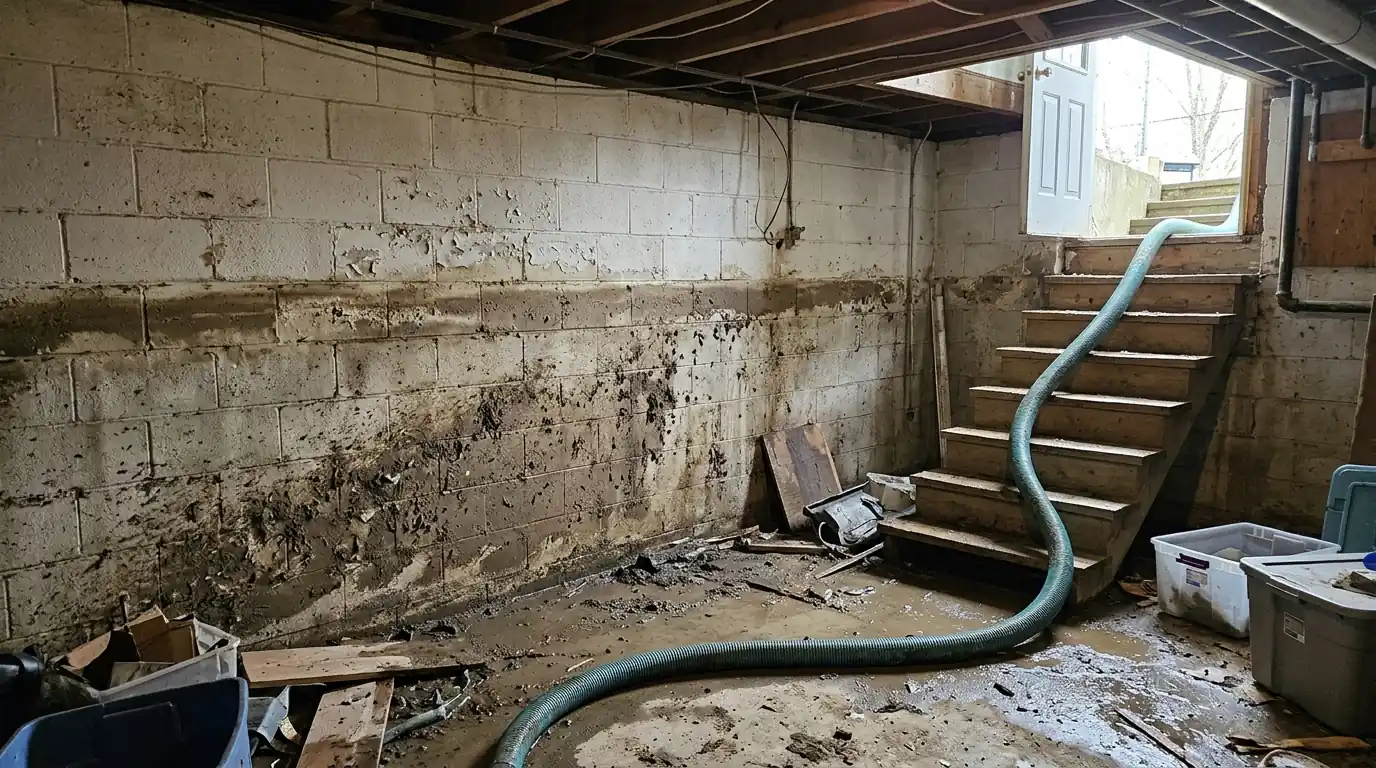
Short answer
After storm damage, secure the building first: board or tarp openings so more rain cannot get in, then extract and dry the water that already did. Photograph everything before cleanup. Wind and rain damage through a roof or window is usually covered by homeowners policies, while rising flood water usually needs separate flood coverage.
What a storm does to a building
Storms damage buildings in two ways at once. Wind opens the envelope, lifting roofing, breaking glass and dropping limbs. Rain then gets in through every gap and keeps coming until the opening is covered.
We cover openings first, then extract and dry. The roof, window and tree work is done by those trades, and we coordinate with them and rebuild the interior.
How we handle storm damage
Stop more water
Tarps and boards go over roof and window openings.
Make it safe
Wet rooms have power off and damaged areas are marked.
Extract
Standing water comes off floors and out of carpet.
Document
Photos separate wind, rain and flood damage.
Dry
Equipment runs until readings are dry.
Rebuild
Interior repairs follow the roof or window work.
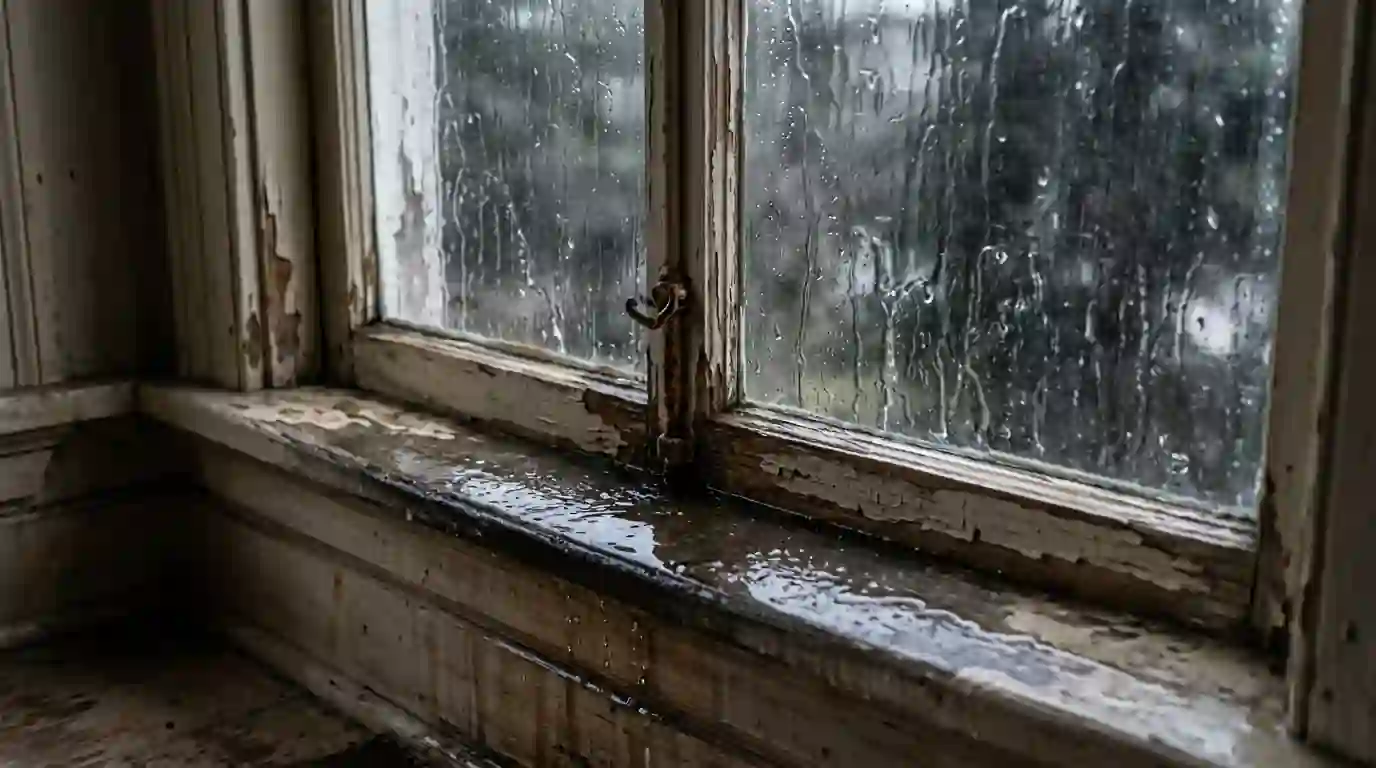
Wind-driven rain through windows
Old windows, loose glazing and worn caulk leak when rain is driven sideways. The water runs down the inside of the frame, soaks the sill and wall below, and often shows up as a stain on the ceiling of the floor under it.
We dry the wall and floor, check the plaster below the window, and record which windows leaked for the building. Resealing or replacing the windows is for a window contractor, and until then we can protect the opening and the room from the next storm.
Nor’easter and hurricane damage
Nor’easters bring long hours of wind and rain, and hurricanes add surge along the shore. The damage mixes roof leaks, broken windows, water through walls and, near the water, flooding from below.
After a big storm we are busy, so we triage by risk: open roofs and active leaks first, then drying. We tarp and board, extract, dry and document each part of the loss separately, because wind damage and flood damage are usually handled by different policies. Photos taken before anything is moved help most.
Fallen tree and limb damage
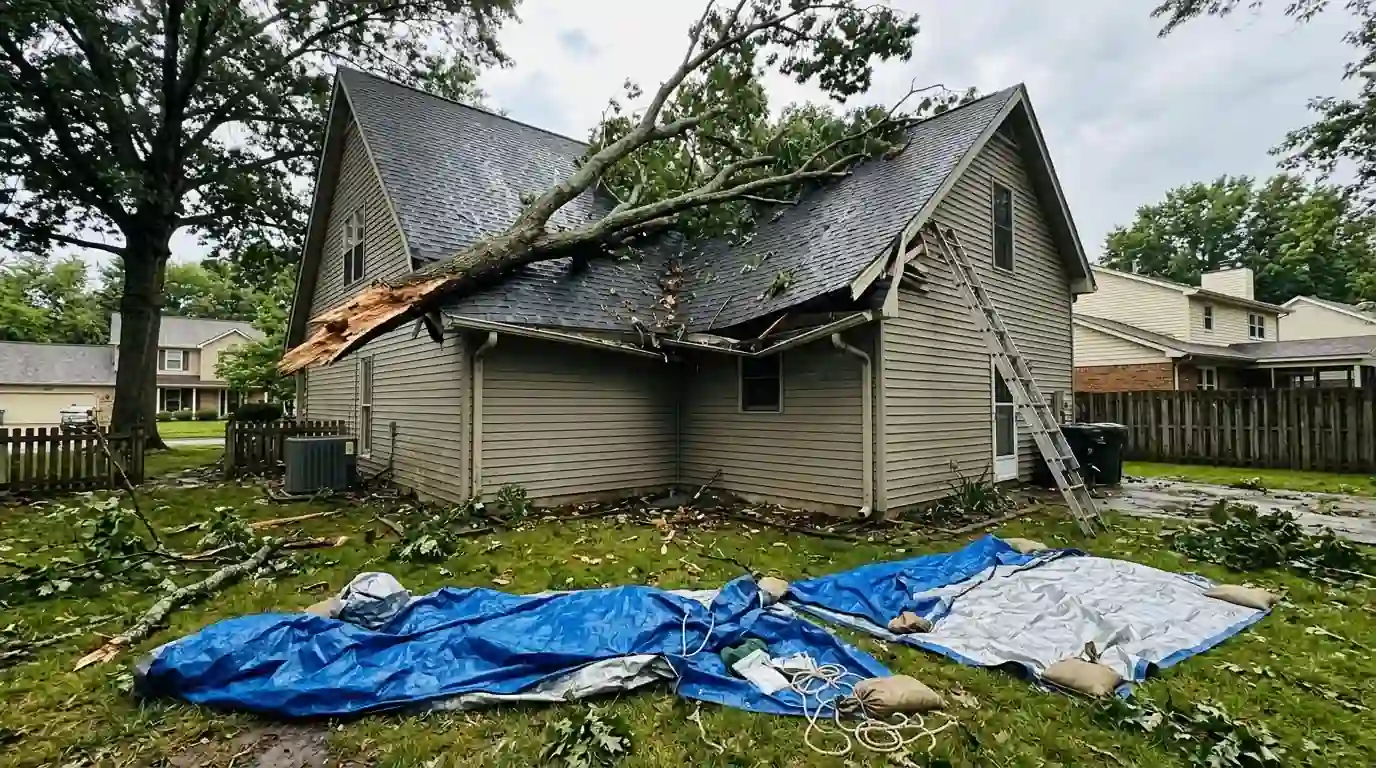
A tree or large limb through a roof or wall opens the building to rain and can damage framing. Stay out of rooms under the impact until someone has checked the structure.
The tree service removes the tree. We tarp or board the opening as soon as it is clear, extract water, protect contents and dry the interior, then rebuild ceilings and walls once the roof or wall framing has been repaired by the appropriate trade. Contents in the rooms below are moved or covered first, since they are often what is lost to rain after the impact.
How long storm repairs take
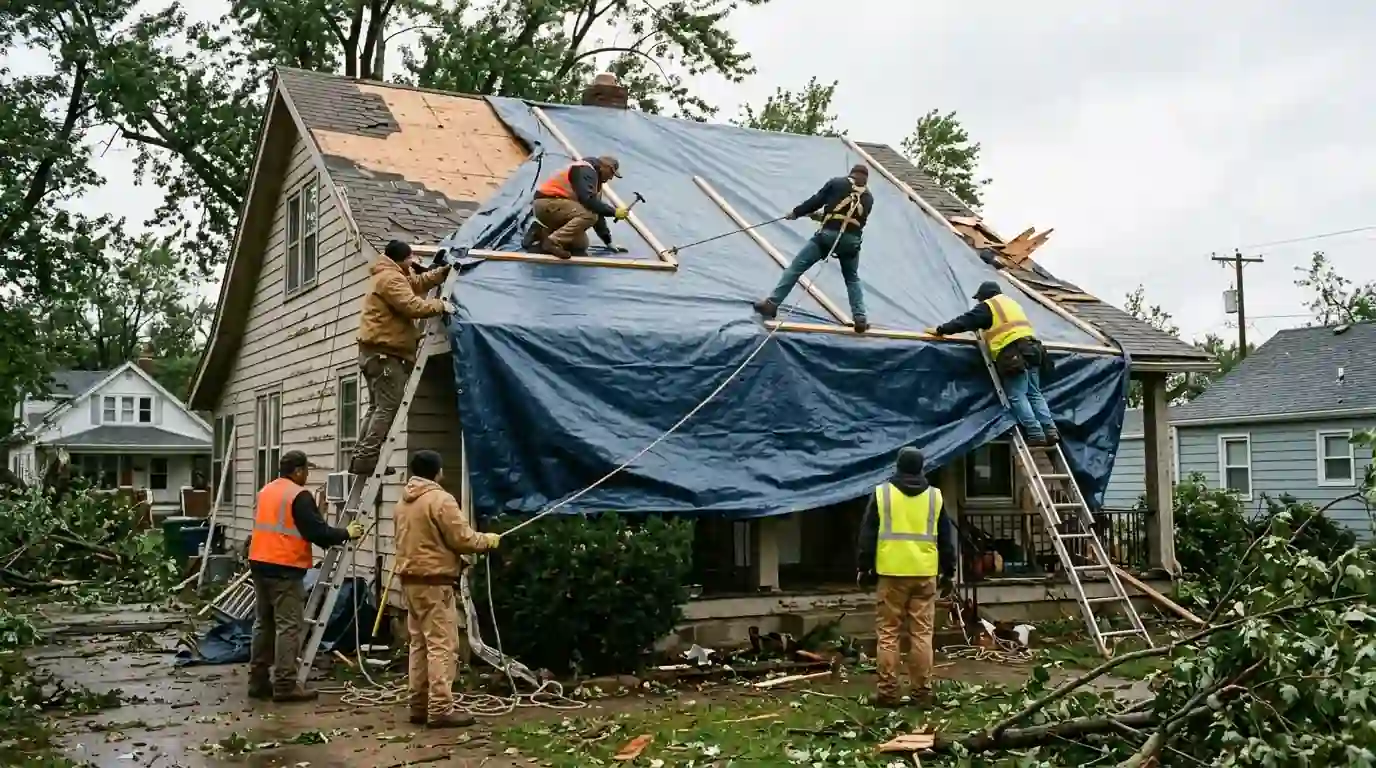
Tarping or board-up is usually done the same day or the next. Drying runs three to seven days.
Rebuild waits for the roof, window or wall repair, which after a big storm can take weeks, so the tarp stays until then.
Storm damage on the coast and the islands
Sandy killed 44 New Yorkers in 2012, and 24 of them were on Staten Island, where surge came in fast along the shore. In Nassau County, the mayor of Island Park said 99 percent of the village was underwater. Storms like that are why our storm jobs near the water always start with two separate records, one for wind and rain damage and one for flood water, because insurers treat them as different losses.
What our storm response covers
- Roof tarping and window board-up
- Water extraction and drying
- Separate records for wind and flood damage
- Contents moved or protected
- Coordination with roofers and tree crews
- Ceiling and wall removal where needed
- Interior rebuild after exterior repairs
What drives the cost of storm damage restoration
Typical US range for water damage restoration; storm jobs often add tarping and board-up. Source, 2026. A planning range, not a quote.
A cracked pane differs from a missing roof section.
Hours of rain through an opening mean more drying.
Rising water adds cleanup and removal.
Roofers, glaziers and tree crews are billed separately.
After a major storm, demand affects scheduling.
Questions about storm damage
Stay safe, photograph the damage, and cover openings if you can do it safely.
Wind and rain through a damaged roof or window usually is. Flood water usually needs flood insurance.
A tree service does that. We tarp, dry and rebuild.
Weeks, if it is fastened properly. We check it after the next storm.
Yes. We document wind and flood damage separately for them.
We board them and dry the damage. A glazier replaces the glass.