Short answer
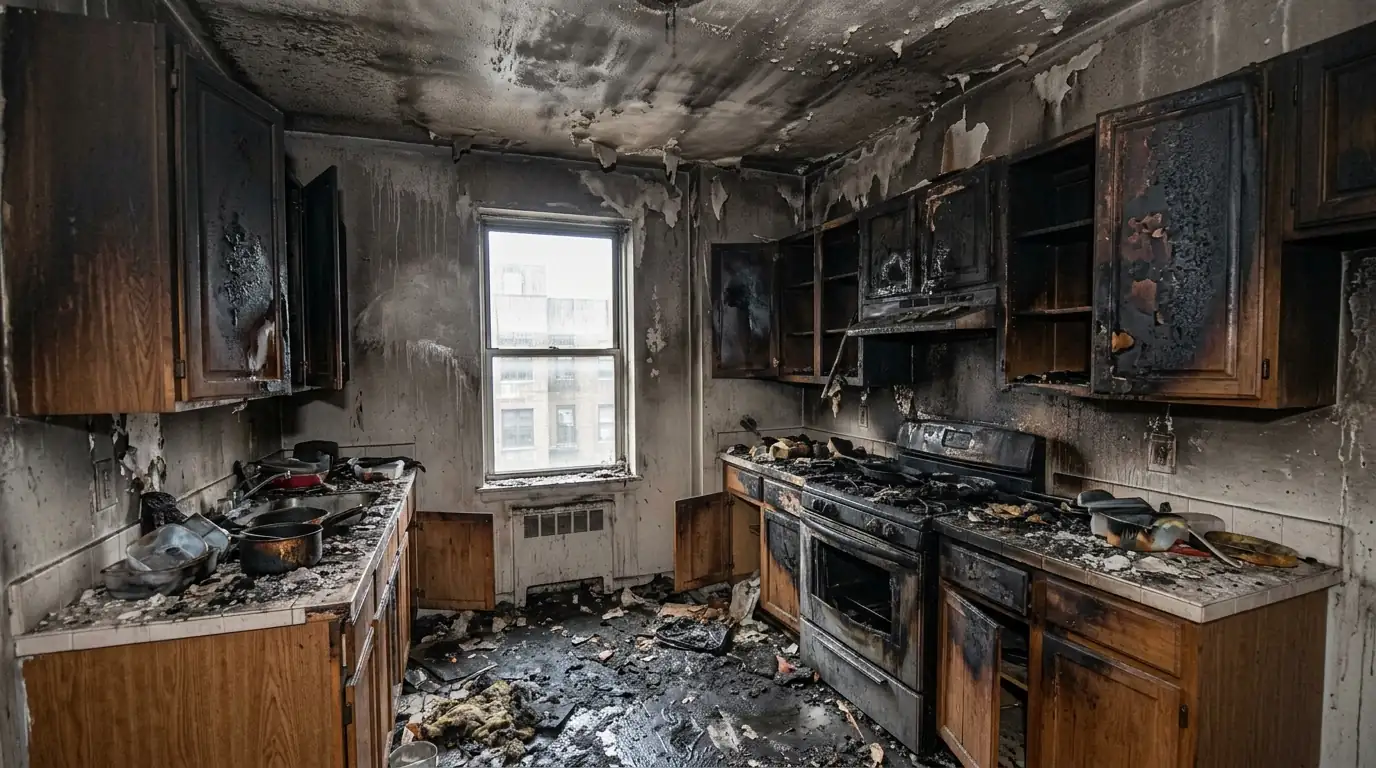
Smoke odor lingers because smoke particles settle into porous materials: drywall, wood, insulation, fabric and ducts. Removing it takes three steps in order: clean the soot, treat the odor with thermal fogging or hydroxyl or ozone generators, and seal any framing or surfaces that still hold smell. Air fresheners and open windows only mask it.
Why smoke smell outlasts the cleanup
Heat opens the pores in wood and drywall, and smoke particles get drawn in as surfaces cool. They release odor slowly for months, and more on humid days. Ducts, closets and wall cavities keep feeding it back into the rooms.
We clean first, because deodorizing over soot does not work. Then we treat the air and the materials, and seal what still holds odor before walls are closed or repainted.
Fogging, hydroxyl or ozone
| Method | People at home? | Speed |
|---|---|---|
| Thermal fogging | No, briefly | Hours |
| Hydroxyl | Yes | Several days |
| Ozone | No | 1 to 3 days |
| Sealing primer | Yes, once dry | Permanent for sealed areas |
What affects the cost of smoke odor removal
Typical US range for a thermal fogging treatment, per Angi. Source, 2026. A planning range, not a quote.
Heavy smoke needs repeat treatments.
Ozone and hydroxyl run for days; fogging is quicker.
Sealing adds material and labor.
Living in the home limits the methods used.
Odor from a neighbor needs the source fixed too.
Thermal fogging
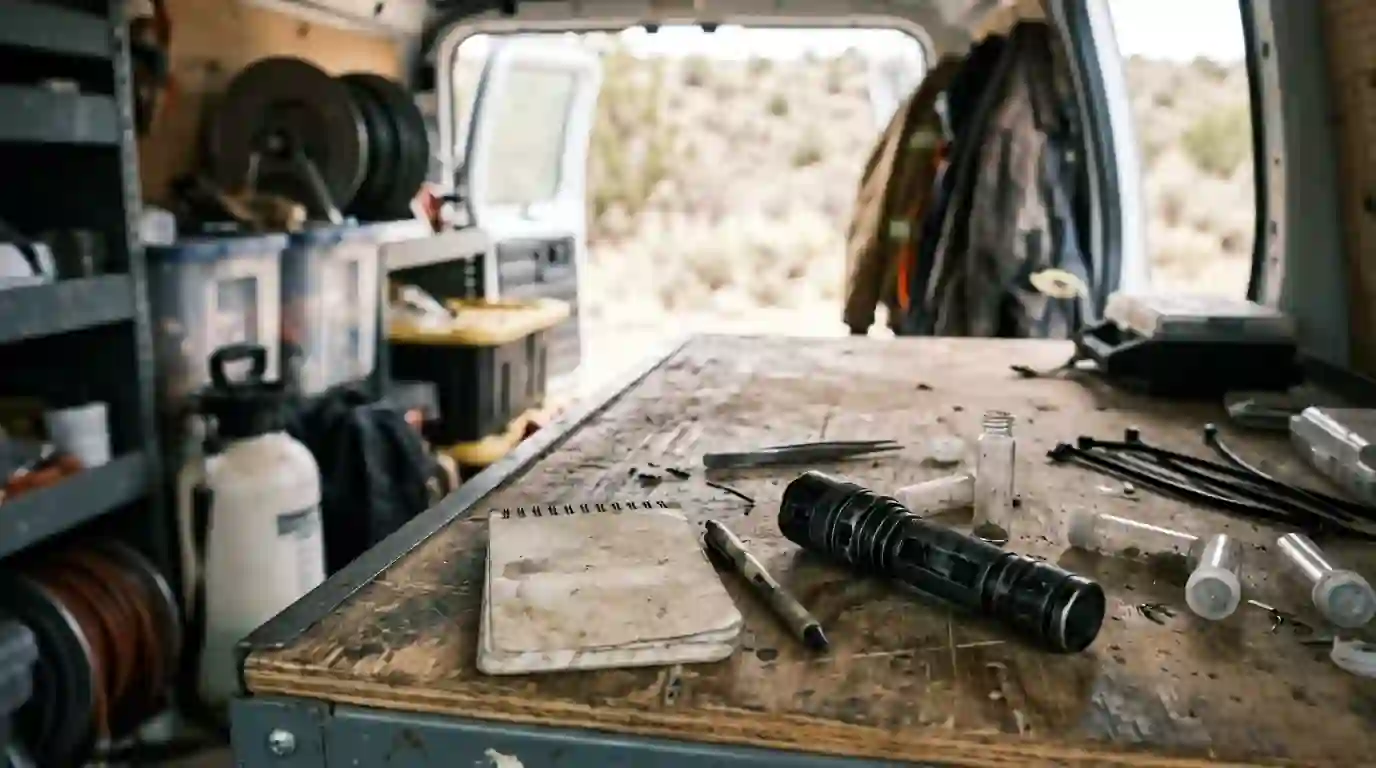
A thermal fogger heats a deodorizer into a fine fog that behaves like smoke, reaching the same cracks and pores the smoke did. It neutralizes odor molecules where they sit.
The home has to be empty of people and pets during fogging and for a short time after. Across the market, thermal fogging typically costs $200 to $600 per treatment. It works best after the soot cleaning, and it may be repeated once if some odor remains. Fabrics and closets are opened up so the fog can reach them.
Hydroxyl and ozone treatment
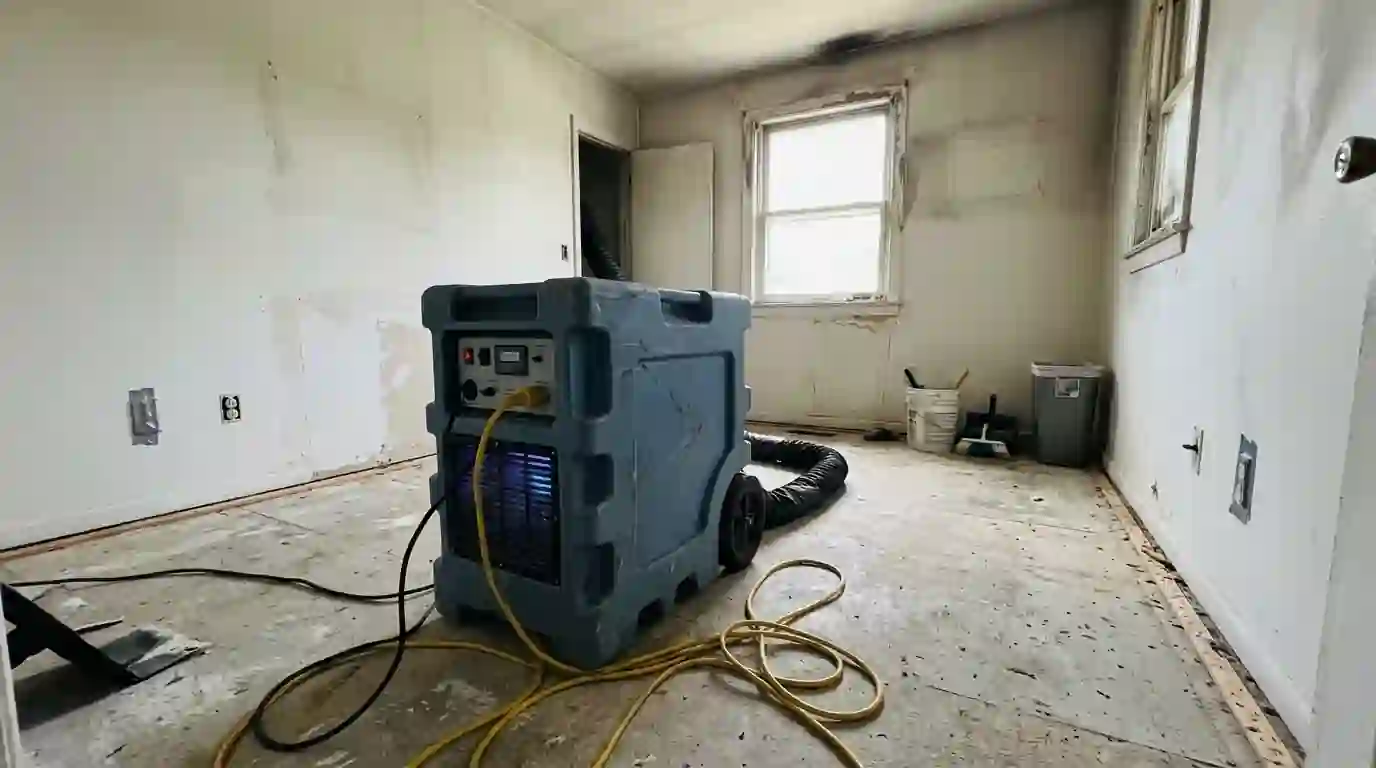
Ozone generators break down odor quickly but ozone is harmful to breathe and can damage rubber and some fabrics, so nobody can be home while they run. Hydroxyl generators work more slowly but are safe to run with people present.
We choose based on the job and whether you are living in the home. In an occupied apartment we usually run hydroxyl for several days. In an empty home before a rebuild, ozone can finish the job faster. Plants and pets go elsewhere either way.
Sealing framing after a fire
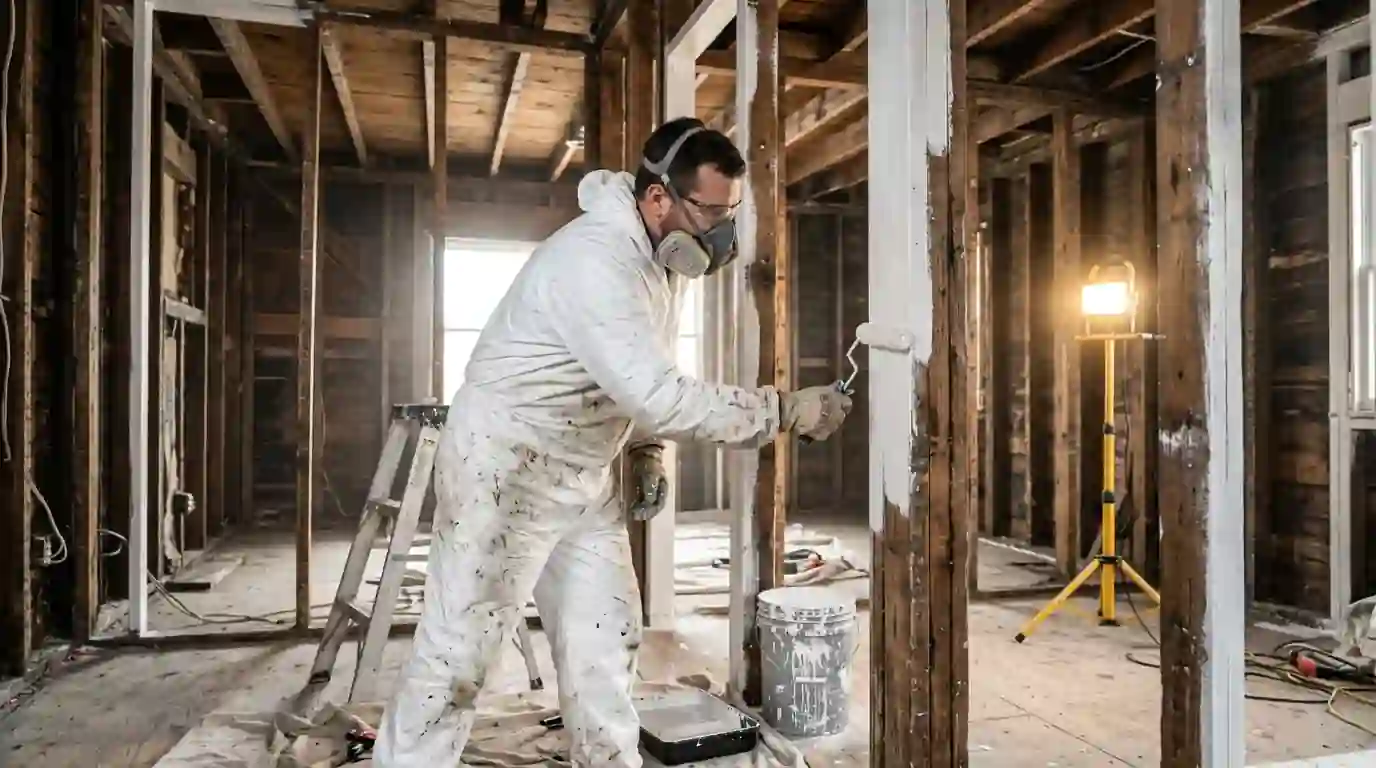
Where walls were opened after a fire, the studs and joists behind still hold smoke even after cleaning and fogging. Closing new drywall over them seals the smell in, and it comes back on warm, humid days.
After cleaning, we coat exposed framing with an odor-sealing primer. It locks in what cannot be removed, and it is the step that stops the smell returning after the rebuild. The sealed areas are photographed before the walls are closed, so your file shows the work was done.
Smoke odor in shared buildings
In a New York apartment building, smoke odor often arrives from somewhere else: a fire two floors down, a neighbor’s kitchen, a burned-out unit next door. It comes through pipe chases, outlets and the gaps around radiator pipes. Deodorizing your apartment helps, but if the source unit is not cleaned and sealed, the smell keeps coming back. We tell you where it is entering and give the managing agent what they need to address the source.
How we remove smoke odor
Find the sources
Closets, ducts, cavities and fabrics are checked.
Clean soot first
Odor treatment only works on clean surfaces.
Remove what holds smell
Insulation and pad that hold odor come out.
Treat the air
Fogging, hydroxyl or ozone, chosen for the job.
Seal framing
Odor-sealing primer goes on exposed wood.
Check again
We return to confirm the smell is gone.
How long smoke odor removal takes
After cleaning, most apartments need two to five days of treatment. Heavy smoke from a large fire can take longer, especially where framing is open.
Sealing happens during the rebuild, before walls are closed.
Questions about smoke odor
Humidity releases odor held in porous materials. Sealing and removal fix that.
Not to breathe. Nobody, including pets, can be home while it runs.
With hydroxyl, yes. With fogging or ozone, no.
Only with an odor-sealing primer, and only after cleaning.
Those are handled by contents cleaning.
Usually, as part of a covered fire or smoke claim.