Short answer
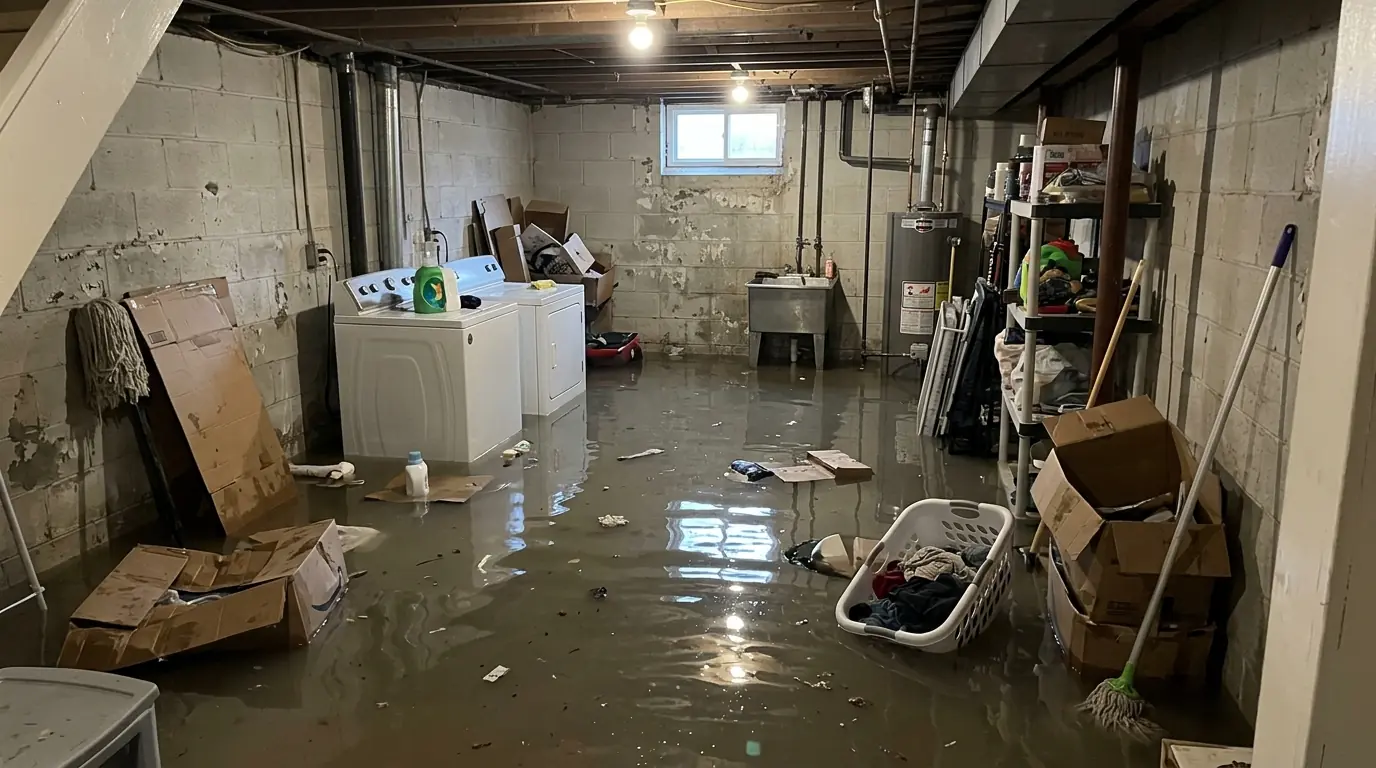
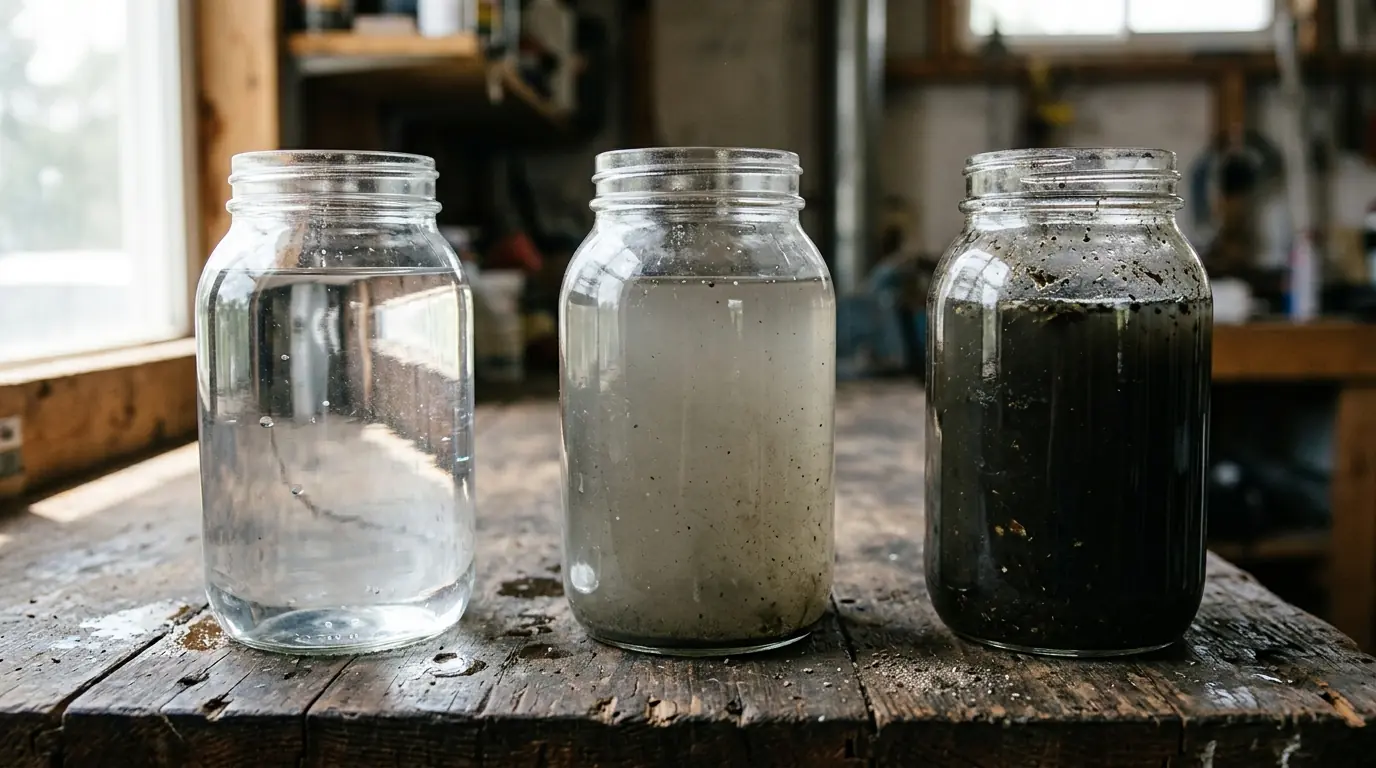
Restoration crews sort water into three categories. Category 1 is clean water from a supply line or tap. Category 2 is gray water that carries some contamination, like a washing machine discharge. Category 3 is black water: sewage, flood water from outside, or water that sat long enough to grow bacteria. The higher the category, the more has to be removed.
Category 1: clean water
Clean water comes from a sanitary source: a burst supply pipe, a tub overflow before anything else gets in it, a broken ice maker line, rain through a window. It poses no real health risk at the start.
It is the best case. Carpet, pad, drywall and most floors can often be dried in place if extraction starts within a day or two. The catch is that clean water does not stay clean. Once it soaks into building materials and sits, bacteria start to grow and it moves up a category.
Category 2: gray water
Gray water carries some contamination: washing machine and dishwasher discharge, a sink that backed up, a toilet overflow with urine but no feces, aquarium water. It can make people sick if swallowed or left on skin.
With gray water, carpet pad is usually removed, porous materials that soaked for more than a day come out, and hard surfaces are cleaned and treated before drying. Particleboard cabinet bases rarely survive it.
Category 3: black water
Black water is grossly contaminated: sewage, a toilet overflow with feces, water that came in from the street or rose from a river, and any water that sat long enough to grow bacteria. It can carry pathogens, chemicals and debris.
Anything porous that black water touched is removed and bagged: carpet, pad, drywall, insulation, upholstered furniture. Hard surfaces are cleaned and disinfected, and crews work in protective gear with containment so the rest of the home stays clean.

Not sure what kind of water you have?
Describe where it came from and how long it sat. We will tell you what can stay.How the clock changes the category
A clean water leak found on day one and the same leak found on day four are different jobs. As water sits in carpet, walls and subfloors, it picks up dirt and grows bacteria, and warm rooms speed that up.
That is why restoration guidance treats long-standing clean water as gray, and long-standing gray water as black. It is also why the fastest way to lower the cost of a leak is to get it extracted early.
Safety for anyone cleaning up
With clean water, the main hazards are electrical and physical: wet outlets, sagging ceilings and slippery floors. Turn off power to wet rooms from a dry spot and keep people out from under bulging ceilings.
With gray or black water, add protection. Wear waterproof gloves and boots, keep children, older relatives and pets out of the area, and wash hands and clothing after any contact. Do not use a household vacuum or a fan on contaminated water; both spread it. If anyone in the home has a weakened immune system, leave black water entirely to a protected crew.
Belongings and the category
The category decides what happens to your belongings as much as to the building. After clean water, most furniture, clothing and hard goods dry or clean well if they are moved quickly. After gray water, washable textiles and hard goods usually clean, while mattresses and upholstery that soaked through often do not.
After black water, hard, non-porous items such as metal, glass and sealed plastic can be cleaned and disinfected. Porous items like mattresses, pillows, stuffed furniture and cardboard boxes are usually discarded, and everything is photographed and listed first so it can go on the claim.
What it means in a New York apartment
In a building, the category can change on the way down. Clean water from a burst line upstairs picks up whatever is in the ceiling cavity, and a toilet overflow two floors up arrives as gray water or worse.
After heavy rain, water coming up through a basement floor drain is treated as black water, because about 60 percent of the city’s sewer system carries sewage and stormwater together, according to DEP.
Common questions
By its source and how long it sat. Supply lines start clean; sewage and outside flood water are always black.
The carpet sometimes; the pad usually not.
Yes. Water from outside carries street runoff, soil and often sewage.
It affects the scope of work. Coverage depends on the source and your policy.
Yes. Keep away from it and let a protected crew remove it.
Services this article covers
Read next
Phyllis edits the articles on this site, writing from our crews’ job notes and the public sources linked in each piece.