Short answer
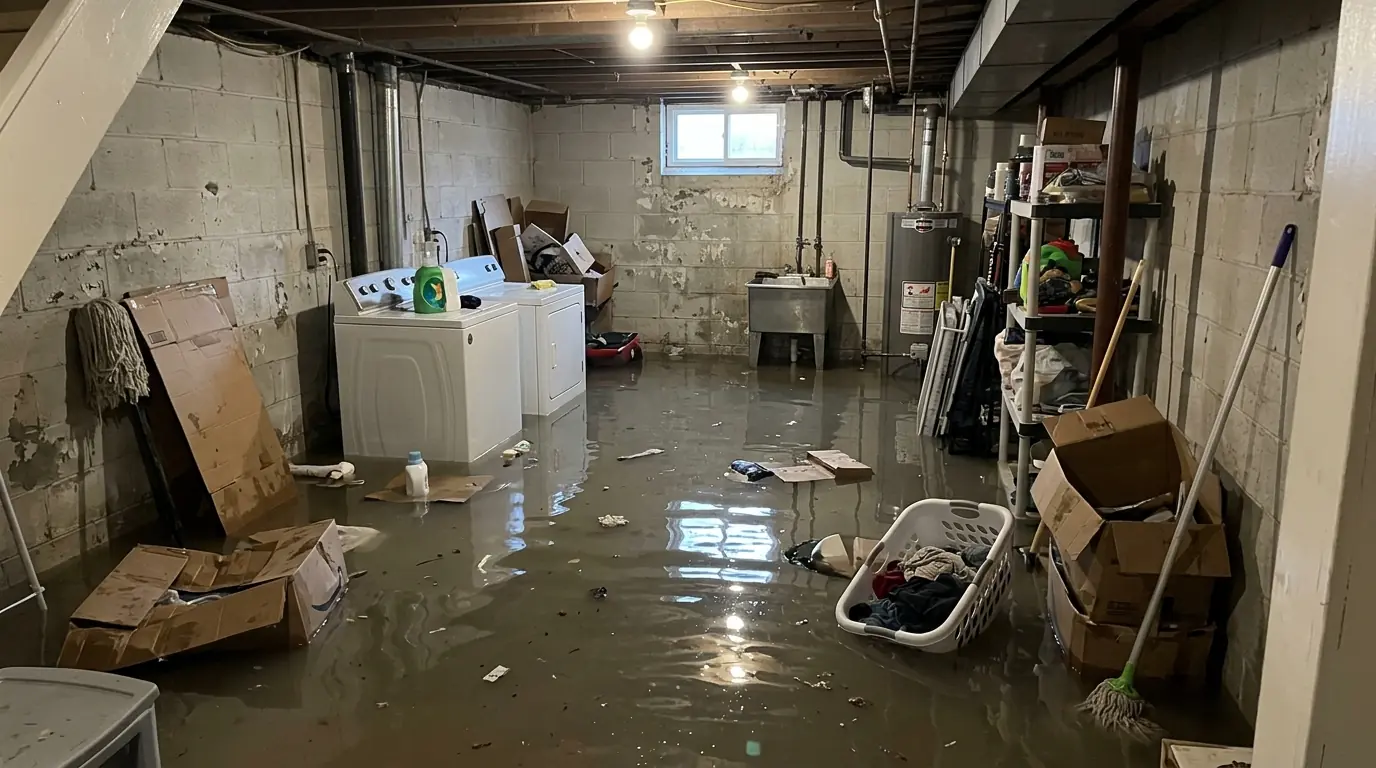
About 60 percent of New York City’s sewers are combined, carrying sewage and stormwater together, and when extreme rain overloads them, the mix can push back up through basement floor drains, toilets and showers. DEP says these wet weather backups are now the most common kind. A backwater valve, a clear building line and sewer backup insurance are the main defenses.
How a combined sewer backs up
A combined sewer carries household wastewater and street runoff in the same pipe. On a normal day there is plenty of room. In a cloudburst, rain pours into catch basins faster than the pipes and treatment plants can take it, and the water level in the sewer rises.
When it rises above the level of a basement floor drain, water and sewage flow backward into the building through the lowest opening it can find. About 60 percent of the city’s system is combined, according to DEP’s State of the Sewers report.
Storms are now the main cause
In its sewer backup report, DEP says wet weather backups driven by extreme rainfall have become the most common type, pointing to Ida in 2021 and the storm of Sept. 29, 2023. Those storms dropped rain faster than the system was designed to handle.
That changes how you prepare. A backup in a storm is not usually a sign that your own pipes are blocked; it is the public sewer surcharging. The fix is to stop sewer water from getting back into your building, not only to keep your line clear.
Dry-day backups: grease and blockages
Backups on a dry day are a different problem. In fiscal year 2017, 71 percent of confirmed sewer backups in the city were grease related, according to a city report. Cooking fat poured down the sink cools, sticks to the pipe and catches everything that follows.
Wipes labeled flushable, paper towels and tree roots in older laterals do the same. A dry-day backup usually starts at the lowest fixture and repeats every time water runs upstairs, which is a sign the blockage is in your building line or lateral and needs a plumber.
Sewage coming up a drain?
Stop running water, keep everyone away, and call. We send a protected crew.Backwater valves
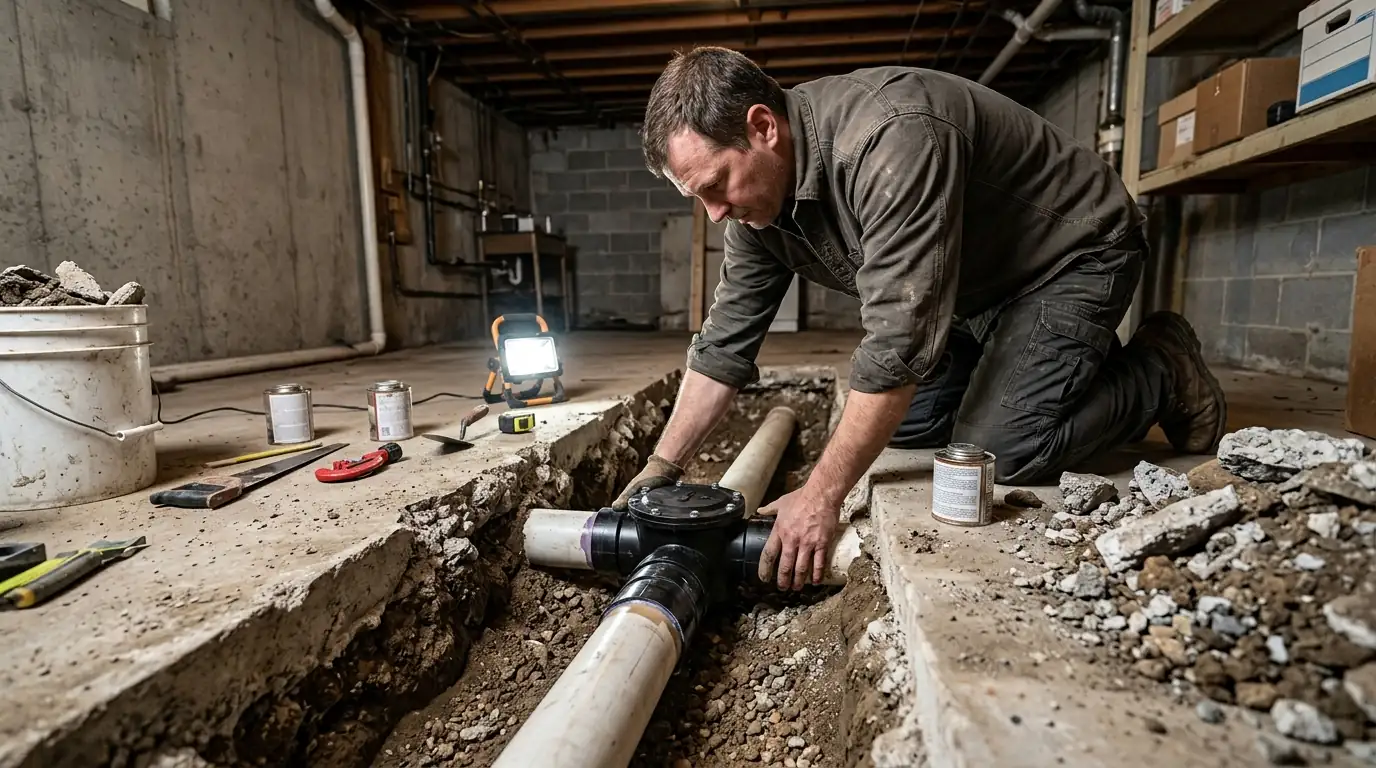
A backwater valve is a one-way valve on the building’s sewer line. Wastewater flows out; when the sewer surcharges, a flap closes and stops it from coming back in. It is the single most effective defense for a building with a basement fixture or floor drain.
Installing one is plumbing work and may need a permit, and it has to be maintained so the flap does not stick. Ask a plumber whether your building line is suitable, and where the valve would sit. If you already have one, have it checked before storm season.
Cheap steps that help
Not every defense costs much.
- Never pour grease or cooking oil down the sink; let it harden and throw it out.
- Only flush toilet paper, whatever the wipes packaging says.
- Keep valuables, papers and electronics off basement floors and out of cardboard boxes.
- Know where the floor drains are, and keep a drain plug or standpipe for the lowest one if your plumber approves it.
- Report street flooding or a clogged catch basin to 311 before the next storm.
Insurance: the endorsement most people lack
Standard homeowners and renters policies usually exclude water that backs up through sewers or drains. Coverage normally comes from a separate sewer and drain backup endorsement, with its own limit. Flood insurance is different again and covers water from outside, not sewage coming up a drain.
Check your policy before the next storm season, and ask your agent what limit makes sense for a finished basement.
If it happens anyway
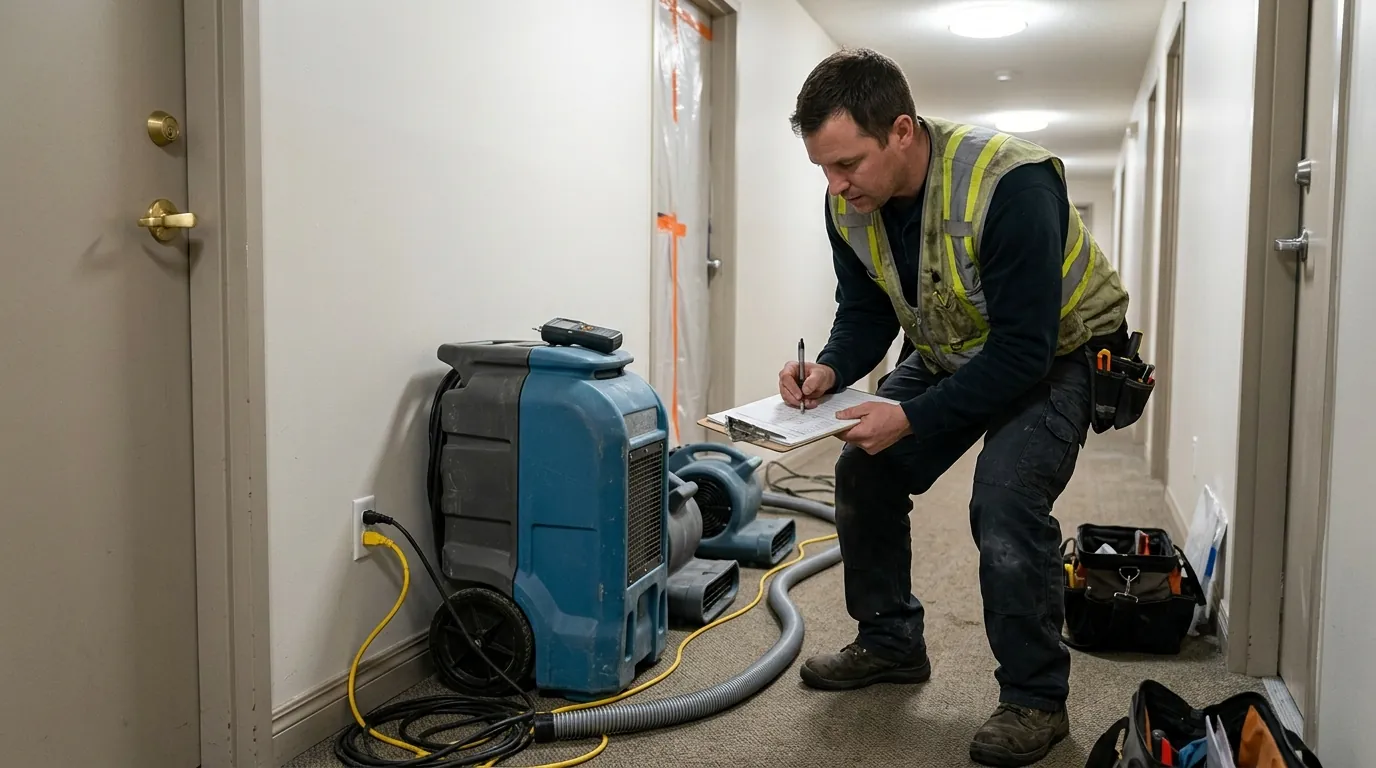
Keep children and pets away from the water, stop running water and flushing, and do not wade in if outlets or appliances are underwater. Photograph the water from a distance.
Sewage is black water. Carpet, pad, drywall and insulation it touched are removed and bagged, hard surfaces are disinfected, and the space is dried. Treat it as a cleanup for a protected crew, not a mop and bleach job.
Common questions
Heavy rain overloads the combined sewer, and water flows back into the lowest opening in your building.
It is the most effective defense, if it is installed correctly and maintained.
Usually only with a separate sewer backup endorsement.
Sometimes a claim can be made against the city, but that is a separate process from your insurance.
Not safely. Porous materials that touched sewage have to be removed.
Backups in a storm point to the sewer; repeated dry-day backups point to your line.
Services this article covers
Read next
Phyllis edits the articles on this site, writing from our crews’ job notes and the public sources linked in each piece.