Short answer
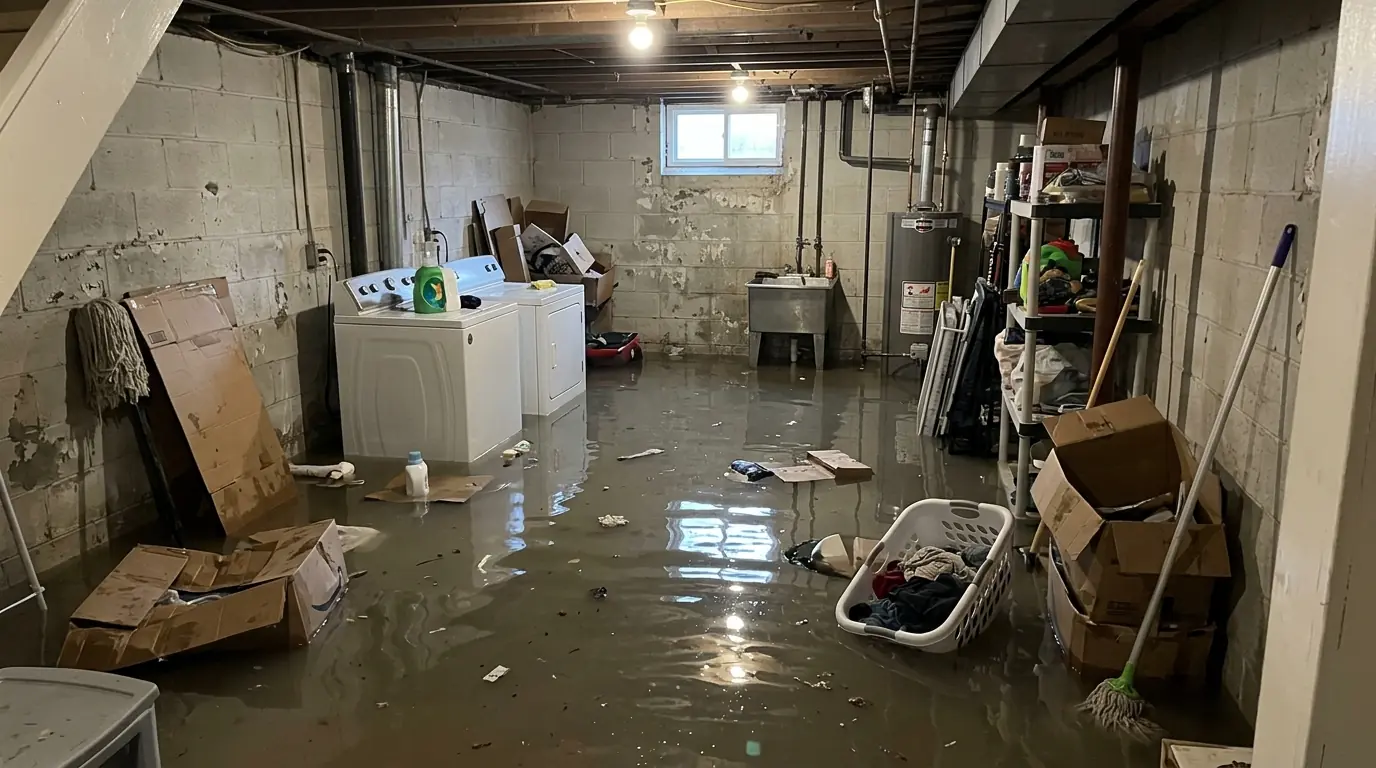
Before a storm, move valuables off basement floors, check that any backwater valve and sump pump work, and know how to get out. While water is rising, get everyone out of the basement and call 911 if anyone is trapped. Afterward, wait until power is off, then pump out, remove soaked materials, disinfect and dry before rebuilding.
Why basements here are at risk
Basements sit at the lowest point of the building and the block. Heavy rain overloads combined sewers and pushes water back up floor drains; water in the street pours down areaways and through doors; high groundwater seeps through walls and slabs. A single storm can do all three at once.
The remnants of Ida showed how fast it happens. On Sept. 1, 2021, 3.15 inches of rain fell on Central Park in one hour, according to the Queens Post, the most for a single hour in the city’s recorded history.
Basement apartments and safety
Ida killed at least 13 people in New York City, and 11 of them were in flooded basement apartments, in Woodside, Hollis, Flushing and Jamaica, according to news reports at the time. Water rose in minutes and the only way out was the stairs.
If you live or sleep below grade, know two ways out if there are two, keep a flashlight by the bed, and sign up for the city’s emergency alerts through Notify NYC. When a flash flood warning is issued, move upstairs before the water arrives, not after.
Before the storm
Most preparation is cheap and takes an afternoon.
- Move papers, photos, electronics and anything valuable off the floor and out of cardboard.
- Test the sump pump if you have one, and consider a battery backup.
- Have a plumber check the backwater valve, or ask whether your line needs one.
- Clear leaves from areaway drains and stairwell drains outside basement doors.
- Know where the electrical panel and the main water valve are, and how to reach them safely.
Water in the basement right now?
If it is rising, get out and call 911. Once it stops, call us to pump out and dry.While water is coming in
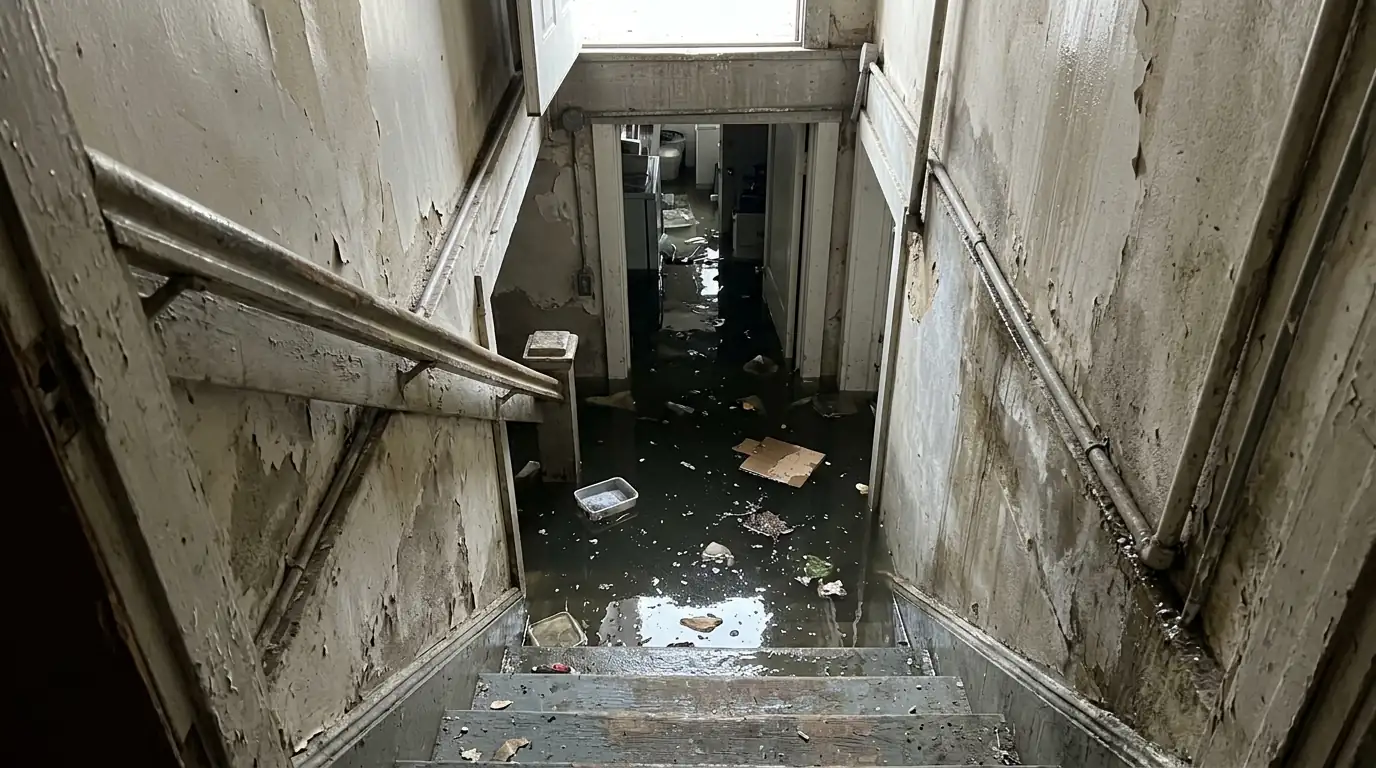
Get out and stay out. Moving water in a stairwell or a basement room can trap people, and water near outlets, the boiler or the electrical panel can be live. If anyone is trapped, call 911.
Do not go back down to save belongings or to try to shut off the power while standing in water. Wait until the water stops rising and the utility, an electrician or the fire department confirms it is safe. Photograph the water from the top of the stairs if you can do it safely; those pictures help the claim.
The first day after
Once power to the basement is off and the water has stopped rising, pumping out can start. Treat the water as contaminated, because storm water in a basement almost always carries sewage from overloaded drains.
Carpet, pad, drywall and insulation that the water touched are cut out and bagged, with drywall removed a set distance above the high-water mark. Floors, walls and framing are washed and disinfected. Boilers, water heaters and electrical panels are left for their own trades to inspect before anything is switched back on.
Drying the slab and walls
Concrete slabs and foundation walls hold water for a long time. Dehumidifiers and air movers run for several days, and readings are taken daily until the slab, the framing and the remaining walls match a dry reference.
This is where cutting corners costs most. A finished basement closed back up while the slab is still wet will grow mold behind the new drywall within weeks. New flooring laid on a damp slab lifts or smells within months. The rebuild waits for the readings.
Insurance: flood, sewer or neither
Standard homeowners and renters policies usually exclude water from outside the building and water that backs up through drains. Flood insurance covers water from outside, with limits on what it pays for in basements. A sewer backup endorsement covers water that comes up through the drains.
Many basement losses involve both, so document the source: photos of water coming in at the door or window, or up through the drain, help each claim land in the right place.
Common questions
Not until power to the basement is off and the water has stopped rising.
Usually not for water from outside or sewer backups, unless you have flood insurance or a backup endorsement.
Drying takes several days after pump-out, longer for thick slabs, and the rebuild waits for dry readings.
Only after readings show the slab and framing are dry.
It helps with groundwater. It does not stop sewer backups or water pouring down the stairs.
Porous materials the water touched, such as carpet, pad, drywall and insulation.
Services this article covers
Read next
Phyllis edits the articles on this site, writing from our crews’ job notes and the public sources linked in each piece.