Short answer
If a fire in another unit left smoke, soot or water in your apartment, wait until the fire department says it is safe, then photograph everything before cleaning. Report it in writing to the managing agent and to your own insurer. Renters and condo policies often cover your belongings and cleanup. Do not wipe soot yourself; it smears into paint and fabric.
How smoke gets into your apartment
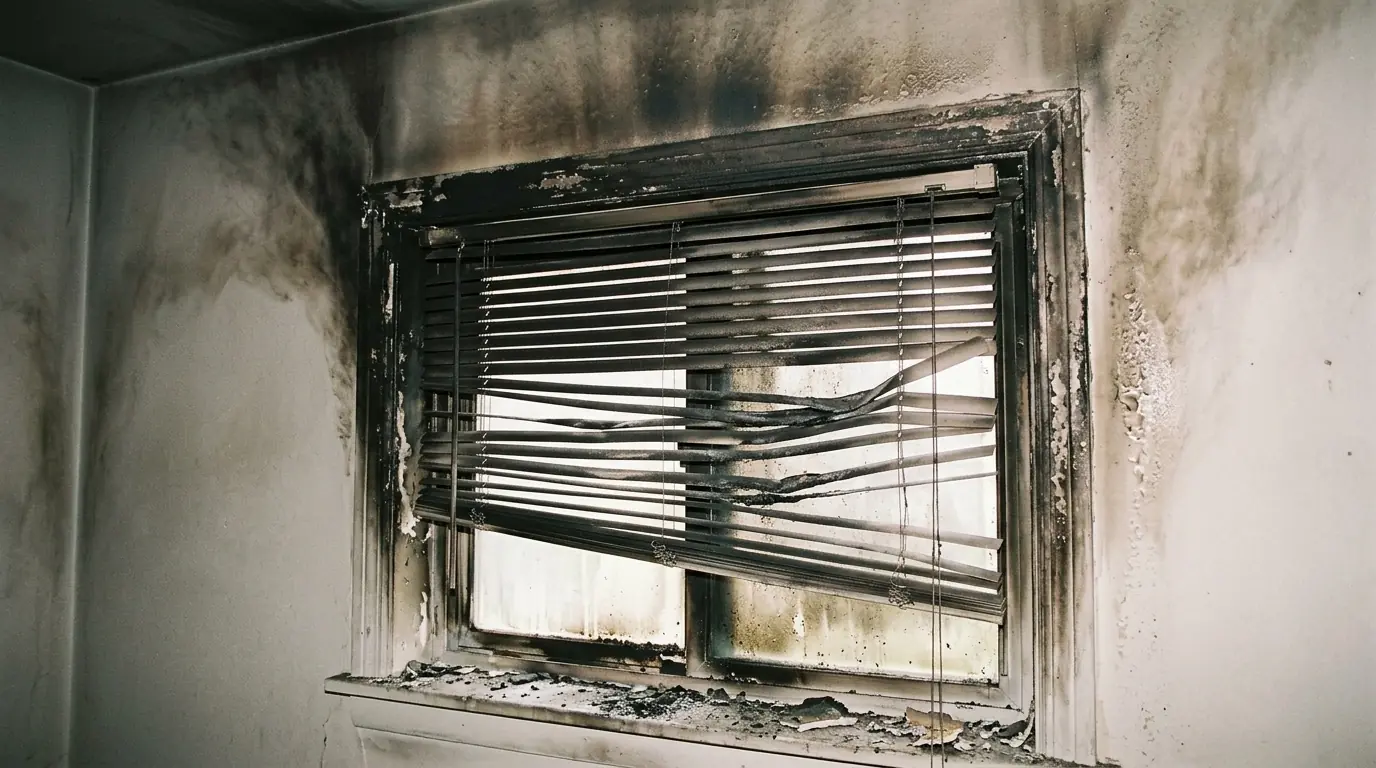
Smoke moves with air pressure and heat, and buildings are full of paths for it: gaps around pipes and radiator risers, electrical outlets on shared walls, door frames, mail slots, ventilation and the building’s stairwells.
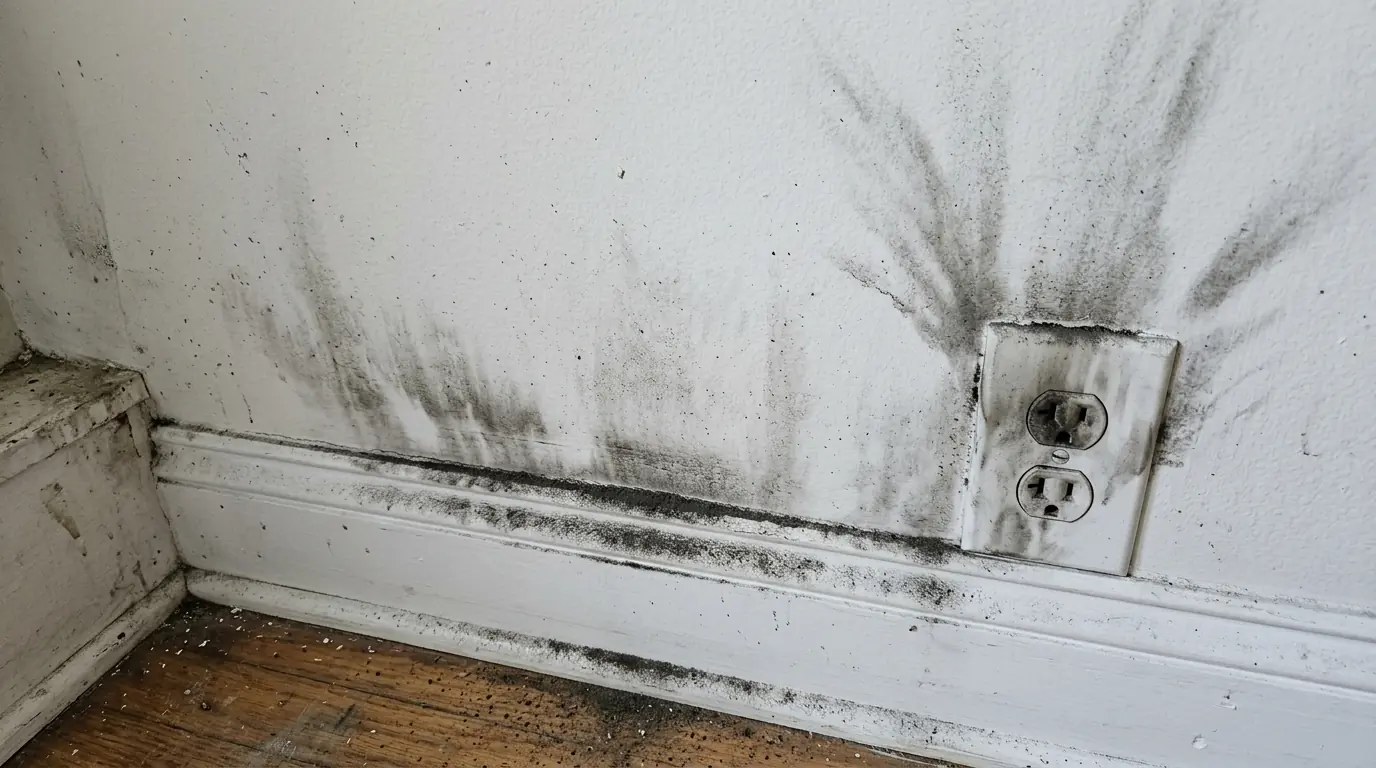
The signs are gray lines along walls and ceilings, dark rings around outlets and light fixtures, a film on windows, and a sharp smell that settles into clothes, curtains and upholstery. Water from the firefighting can also come through ceilings from above or walls from the side.
The first day
Stay out until the fire department allows you back in, and then only as long as needed to collect essentials if the smoke is heavy. Leave utilities as they are unless you are told otherwise.
Photograph every room, including closets, the inside of cabinets and your belongings, before anything is moved or cleaned. Note the date, time and the unit where the fire started if you know it.
Who pays
Your own policy is usually the first stop. Renters policies often cover smoke damage to your belongings and additional living expenses if you cannot stay home. Condo and co-op unit policies usually cover your belongings and your share of the unit’s finishes.
The building’s policy usually covers the structure and common areas. If the fire was caused by someone’s negligence, the insurers may pursue that party later; you do not need to wait for that to get your home cleaned.
Smoke from another apartment?
Photograph it, report it, and call us before you start wiping anything.What not to do
A few well-meant steps make smoke damage worse.
- Do not wipe soot with a damp cloth; it smears into paint and becomes a stain.
- Do not wash smoky clothes and curtains at home first; it can set the smell.
- Do not run the heat or air conditioning if soot is loose; it blows through the ducts.
- Do not paint over smoke stains; the smell and the stain come back through.
- Do not throw out damaged items before your insurer has seen them.
How the cleanup works
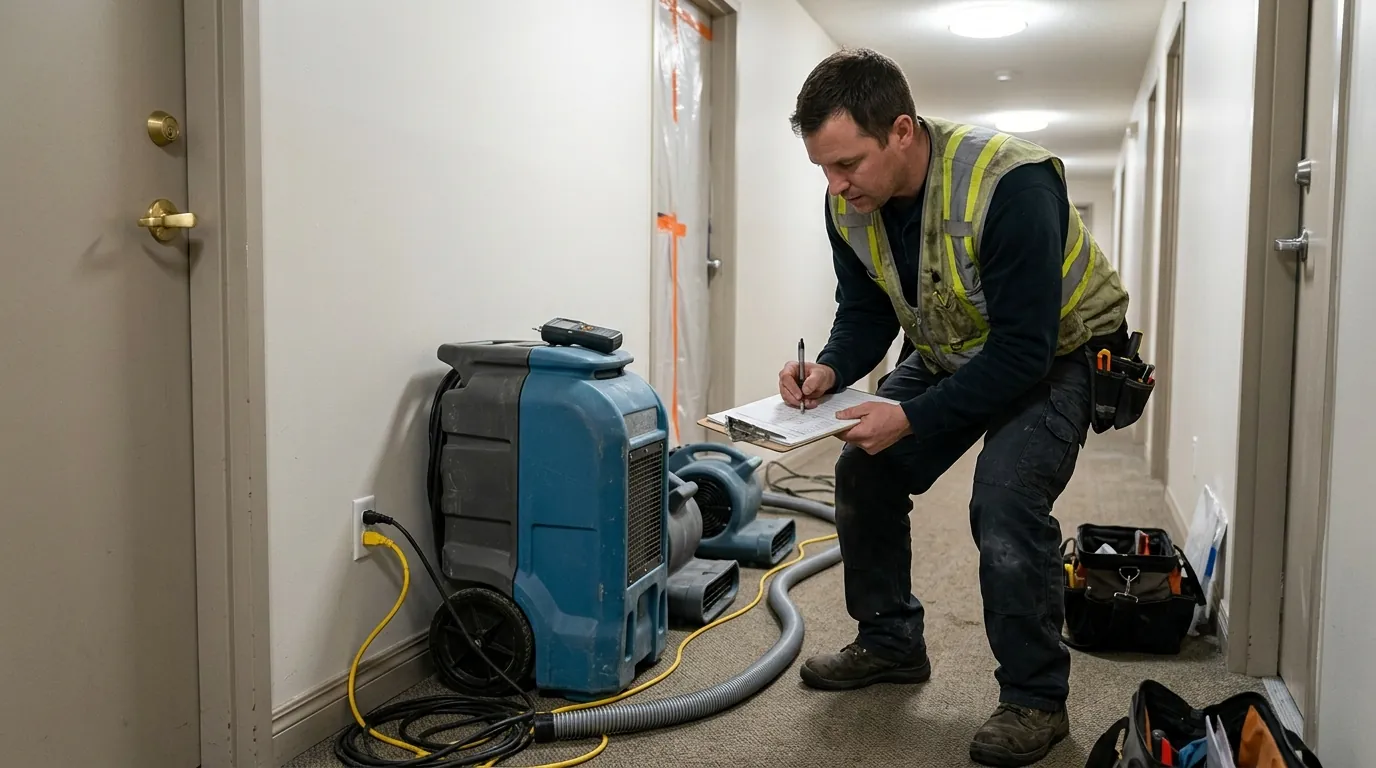
Your unit is cleaned on its own record, separate from the fire unit. Loose soot is HEPA vacuumed, then surfaces are cleaned with methods matched to the type of residue, working from the ceiling down.
Textiles go for smoke-specific cleaning, hard goods are cleaned, and electronics are cleaned before they are used. The last steps are odor treatment and sealing any surfaces that still hold smell, so it does not come back on the first humid day.
Hallways and common areas
Smoke in hallways and stairwells is the building’s responsibility, usually through the managing agent. It is also the path smoke uses to reach your door, so if the hallway is not cleaned, the smell keeps coming back into units that were already cleaned.
Ask the managing agent when the common areas will be done, and schedule your own cleanup for the same time or after.
When the smell will not go away
A smell that returns weeks later usually means residue is still somewhere: inside a closet, behind a radiator cover, in a through-wall air conditioner, or in the gaps where smoke came in. Sometimes the source is still next door, in a unit that has not been cleaned yet.
Tell the managing agent in writing, and have the remaining sources traced. Sealing the gaps where smoke entered and cleaning the units and ducts are what finally stop it.
Common questions
Often, for your belongings and extra living costs. Check your policy.
The building, usually through the managing agent.
Light dusting may be fine, but wiping or washing soot usually makes stains permanent.
Most apartments take a few days, plus time for fabrics to be cleaned.
Residue is still somewhere, often in closets, vents or the gaps smoke used to get in.
Services this article covers
Read next
Phyllis edits the articles on this site, writing from our crews’ job notes and the public sources linked in each piece.