Short answer
In the first 72 hours after a fire, wait for the fire department to release the home, then secure it with board-up, call your insurer, and find somewhere safe to stay. Photograph everything before cleanup. Do not wipe soot, run the heat or turn on electronics. Hose water should be removed within a day or two, and soot cleaning should start within days.
The first hours: before you go back in
Nobody goes back inside until the fire department says the building is safe. Fires can smolder inside walls, floors can be weakened, and the air is full of fine particles and gases. When you are allowed in, it may be briefly, to collect essentials.
If the utilities were shut off, leave them off; the utility or a qualified trade restores them. If you rent, tell your landlord or managing agent right away. If you own, call your insurer from the street; most have a claims line that answers around the clock.
Day one: secure the home and start the claim
An open window or a roof vent cut by firefighters lets in rain and anyone walking by. Board-up and tarping should happen the day the fire department releases the building, and most insurers expect it, because it prevents further damage.
When you open the claim, ask what your policy pays for additional living expenses, such as a hotel, meals and laundry, and keep every receipt. If you have nowhere to stay that night, the American Red Cross in Greater New York helps families after home fires.
Photograph before anything moves
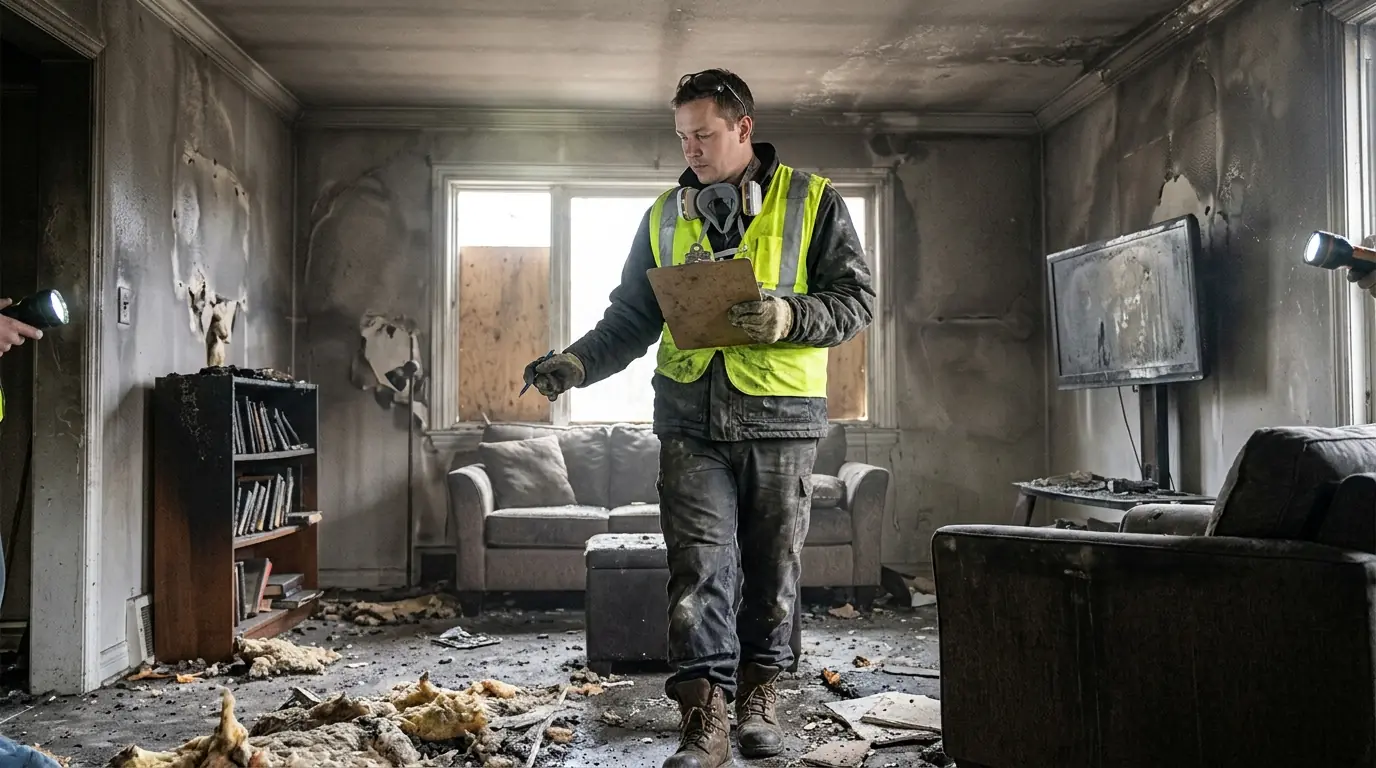
Walk every room with your phone before cleanup starts, even rooms that look fine. Photograph smoke lines on walls, the inside of closets and cabinets, appliances with their labels, electronics, clothing, and anything valuable.
These photos become the backbone of the contents claim. A restoration crew documents the building as well, with room-by-room photos and an itemized scope, but your own photos of your belongings, taken before anyone touches them, carry weight with an adjuster.
Just released by the fire department?
Do not wipe the soot or run the heat. Call and we will secure the home first.What not to do with soot
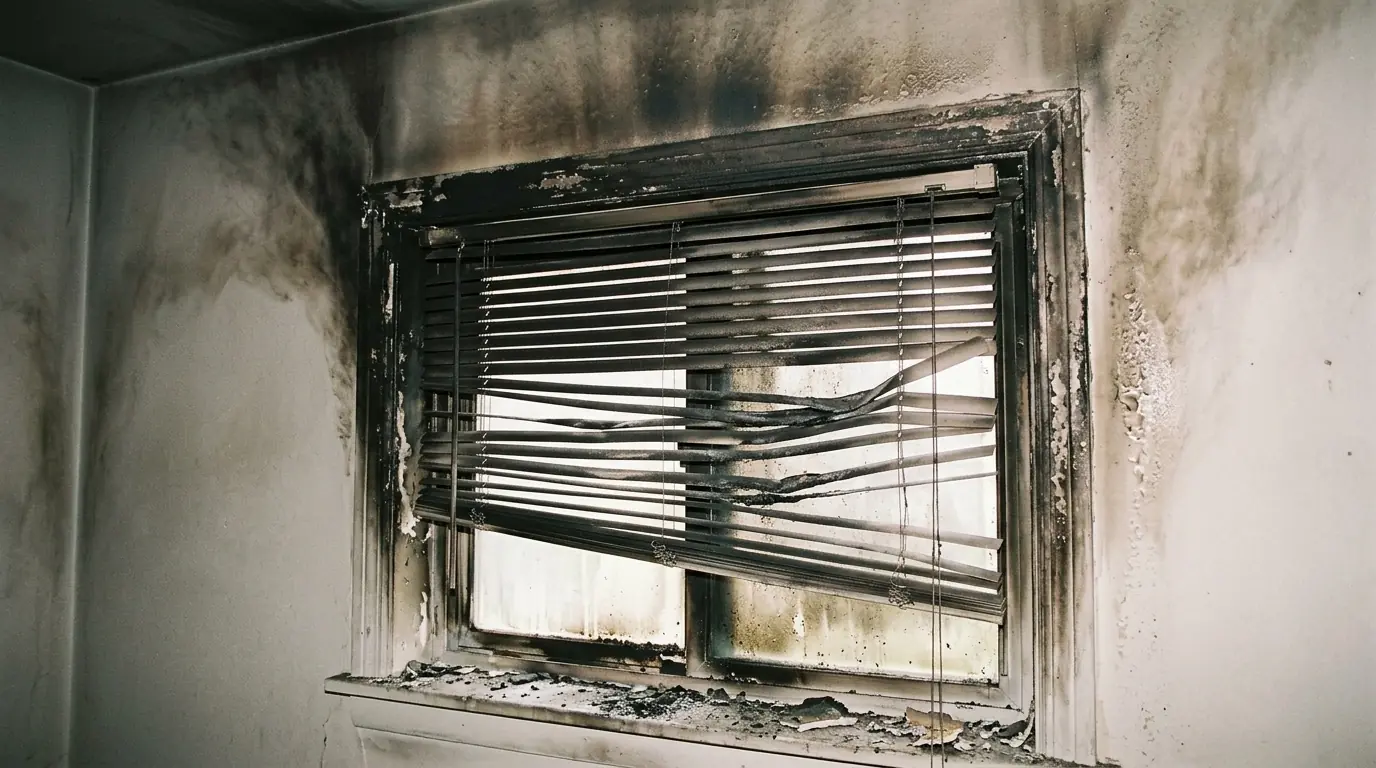
Soot is fine, oily and acidic, and the wrong first step makes it permanent. Wiping walls with a damp cloth pushes dry soot into the paint. Washing smoky clothes at home often sets the smell in.
Do not run the heat or air conditioning, which blows soot through the ducts into clean rooms. Do not turn on electronics that were near the fire; soot is conductive and can short them. Keep windows closed if soot is still loose, so it does not blow around. The cleaning method depends on the type of soot, and a crew tests surfaces before choosing one.
Food, medicine and papers
Throw away food that was exposed to heat, smoke or firefighting water, including food in the refrigerator if the power was off for long. Canned goods that bulged or were heated go too. Replace medicines and toiletries that were exposed to heat or smoke; your pharmacist can help with prescriptions.
Wet documents and photographs can often be saved if they are frozen within a day or two. Put them in freezer bags, lay them flat and freeze them, then send them for freeze-drying. Passports, birth certificates and insurance papers are worth rescuing first.
Days two and three: water, pack-out and cleaning
Hose water has to come out quickly, or a fire job becomes a mold job as well. Extraction and drying equipment usually go in on the first or second day, starting with the wettest rooms and the units below.
Belongings are packed out, inventoried and taken for cleaning or storage so the rooms can be worked on. Then soot cleaning starts, room by room, from the ceiling down. Burned drywall and insulation are removed, and odor treatment and sealing follow once surfaces are clean.
If the fire was in another apartment
Smoke and water often reach units that never saw a flame. If a fire next door or below left smoke lines on your walls or water in your ceiling, your own renters or condo policy may cover your belongings and cleanup, and the building’s policy may cover the building.
Report the damage to the managing agent in writing and to your insurer, photograph it, and have your unit cleaned on its own record, separate from the fire unit.
Common questions
When the building is safe, utilities are restored, and soot and odor are cleaned. Small fires can take days; large ones take much longer.
Yes, anything exposed to heat, smoke or water, and fridge food if the power was off for long.
Most can with smoke-specific cleaning. Do not wash them at home first.
Many policies include additional living expenses. Ask your insurer and keep receipts.
Light surface work maybe, but wiping soot the wrong way can make it permanent.
It is removed and dried in the first day or two so mold does not follow.
Services this article covers
Read next
Phyllis edits the articles on this site, writing from our crews’ job notes and the public sources linked in each piece.