Short answer
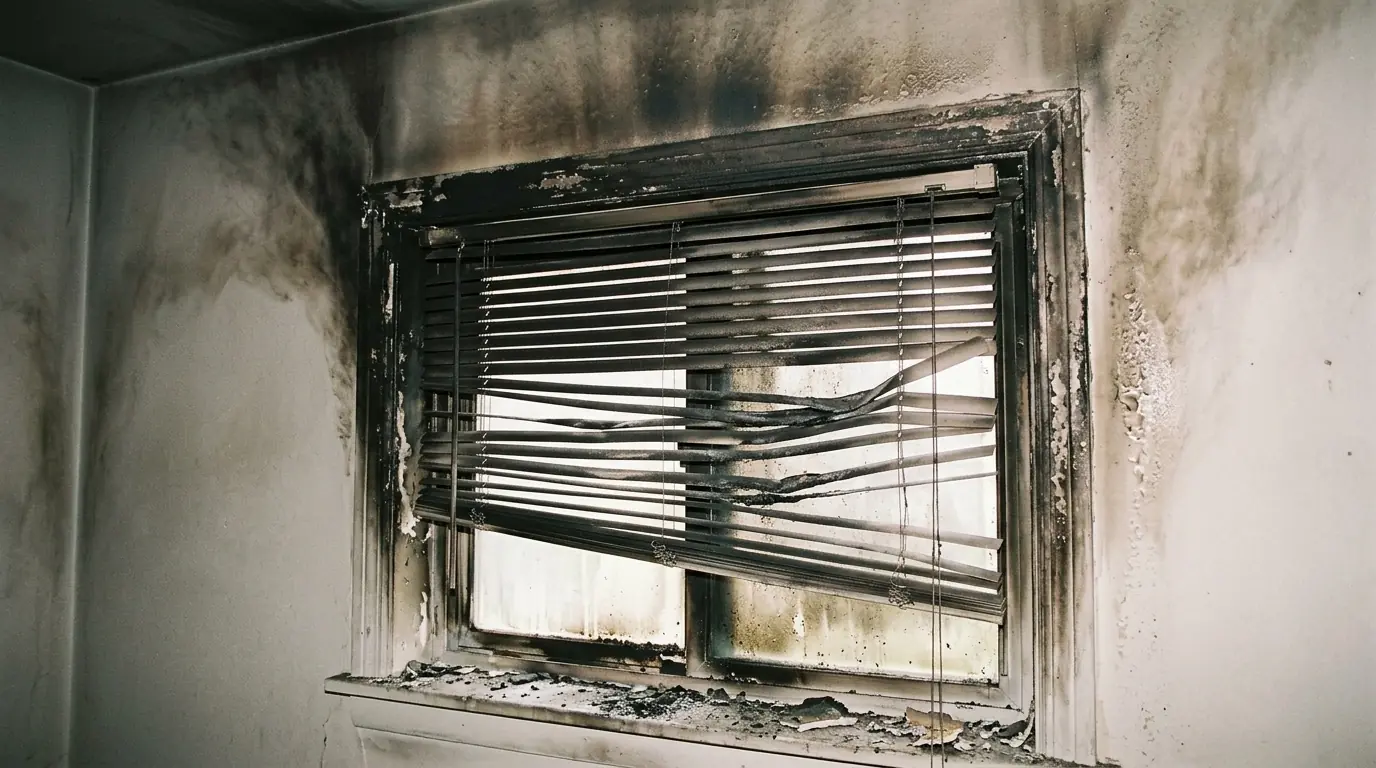
After an e-bike or scooter battery fire, stay out until the fire department releases the space, and do not touch the burned battery, which can reignite hours later. The residue contains burned cell material and metal particles, so it needs protected removal rather than wiping. Smoke usually reaches hallways and neighbors, and those areas need cleaning too.
How common these fires are
The FDNY counted 277 fires started by lithium-ion batteries in 2024, up from 268 in 2023, and 18 people died in them in 2023, according to Gothamist. Many start where bikes are charged: in bedrooms, near apartment doors and in hallways.
They are not only a residential problem. In July 2025, an e-bike stored inside a pizzeria on Kissena Boulevard in Flushing caught fire and a woman trapped in the restroom was killed.
Why a battery fire is different
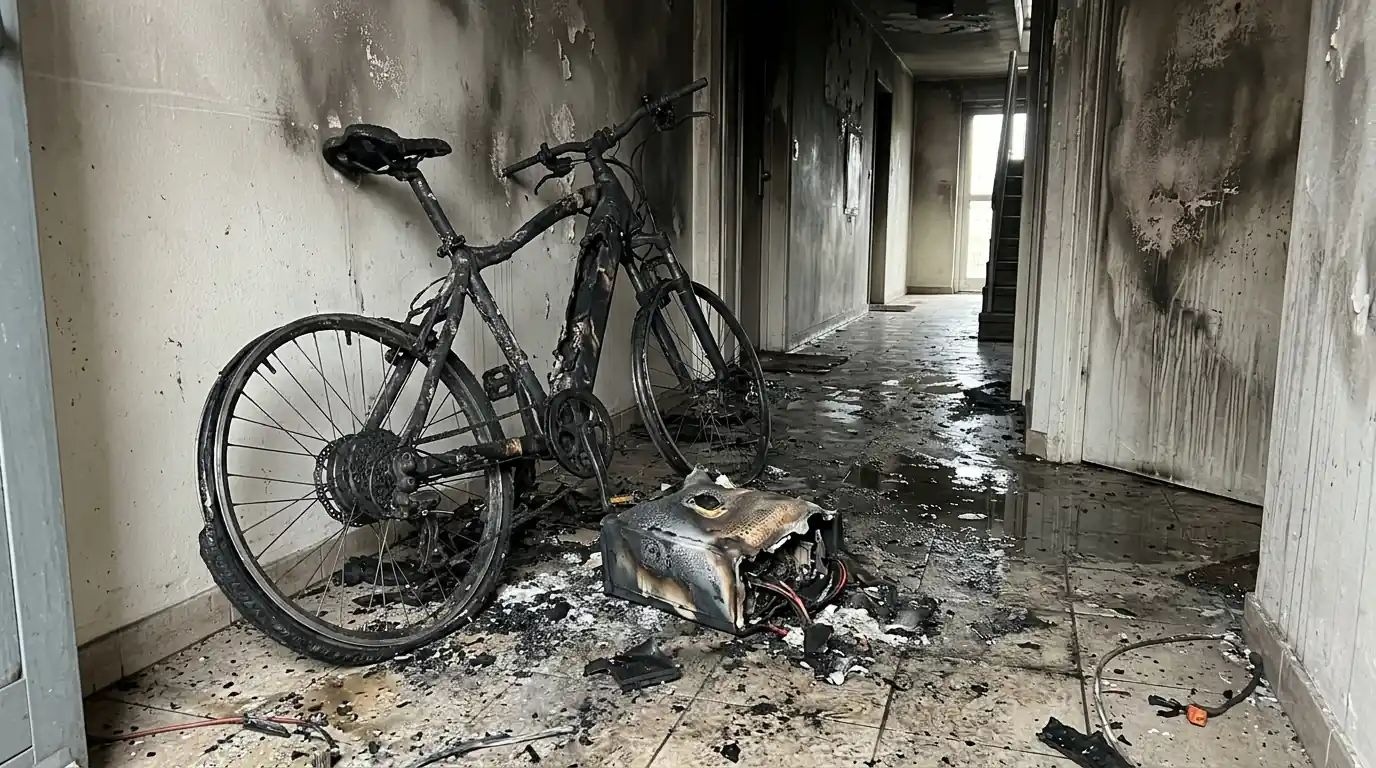
A lithium battery in thermal runaway burns intensely, throws burning material, and produces thick, acrid smoke. It can reignite long after the flames are out, which is why the fire department controls the battery until it is safe.
The residue is heavier and more hazardous than wood or paper soot. It can include burned cell material, metal fragments and fluoride compounds. Wiping or sweeping it spreads it, so it is removed with HEPA vacuums and wet cleaning by a crew in respirators and protective suits.
The first days, step by step
The order matters more than the speed.
- Stay out until the fire department releases the space. Do not move the battery or the bike.
- Secure the home: boarding broken windows and doors keeps weather and people out.
- Remove hose water so it does not spread to the units below.
- Remove the burned bike and debris only as the fire department directs, with protection.
- Clean surfaces top down, then treat the smoke odor and seal what still holds it.
Battery fire in your home or shop?
Once the fire department releases it, call us. We send a protected crew.Hallways, stairwells and neighbors
When a battery fire starts near an apartment door, smoke fills the corridor and the stairwell, the building’s escape routes, and seeps into every unit on the floor. Neighbors who never saw a flame often need smoke cleaning.
Common areas are the building’s to clean, usually through the managing agent. Each neighboring unit gets its own record, because each tenant or owner may claim on their own policy.
Belongings near the fire
Distance from the origin is the best guide to what can be saved. Items in the room where the battery burned, especially fabrics, mattresses and anything porous, often carry enough residue that cleaning them is not worth the risk. Items in other rooms usually have ordinary smoke and soot and clean well.
We inventory and photograph everything before sorting it, so what is discarded is still on the record for your claim. Electronics are kept unplugged until they are cleaned and checked, because soot is acidic and conductive, and phones and laptops that hold data are handled first.
What to keep for your claim
Adjusters on battery fire claims ask about the device, so keep what you can: the make and model of the bike or scooter, where and when it was bought, the receipt or order confirmation, and the charger that came with it. Photograph the burned device where it lies before the fire department or a crew moves it, if it is safe to do so from a distance.
Then document the rest the usual way: every room, the smoke lines on walls and ceilings, damaged belongings, and the hallway outside your door. Keep receipts for a hotel or other place to stay, since many policies cover additional living expenses while the home is being cleaned.
Insurance and prevention
Fire and smoke damage is covered by most homeowners, condo and renters policies, though some policies carry specific terms for e-bikes and scooters, so check yours. Photograph everything before cleanup and keep the receipts for the bike and battery if you have them.
For prevention, the FDNY’s advice comes down to a few habits: buy bikes and batteries certified to recognized safety standards, use the charger that came with the bike, charge while you are awake and nearby, and never charge or store a bike in the path you would use to get out.
Common questions
Not until the residue is cleaned and the air is clear.
Yes, sometimes hours later. Leave it where it is until the fire department says otherwise.
Many hard items clean well. Porous items near the origin are often discarded.
The building, usually through the managing agent, on its own record.
Usually for your belongings and extra living costs, subject to your policy terms.
Services this article covers
Read next
Phyllis edits the articles on this site, writing from our crews’ job notes and the public sources linked in each piece.