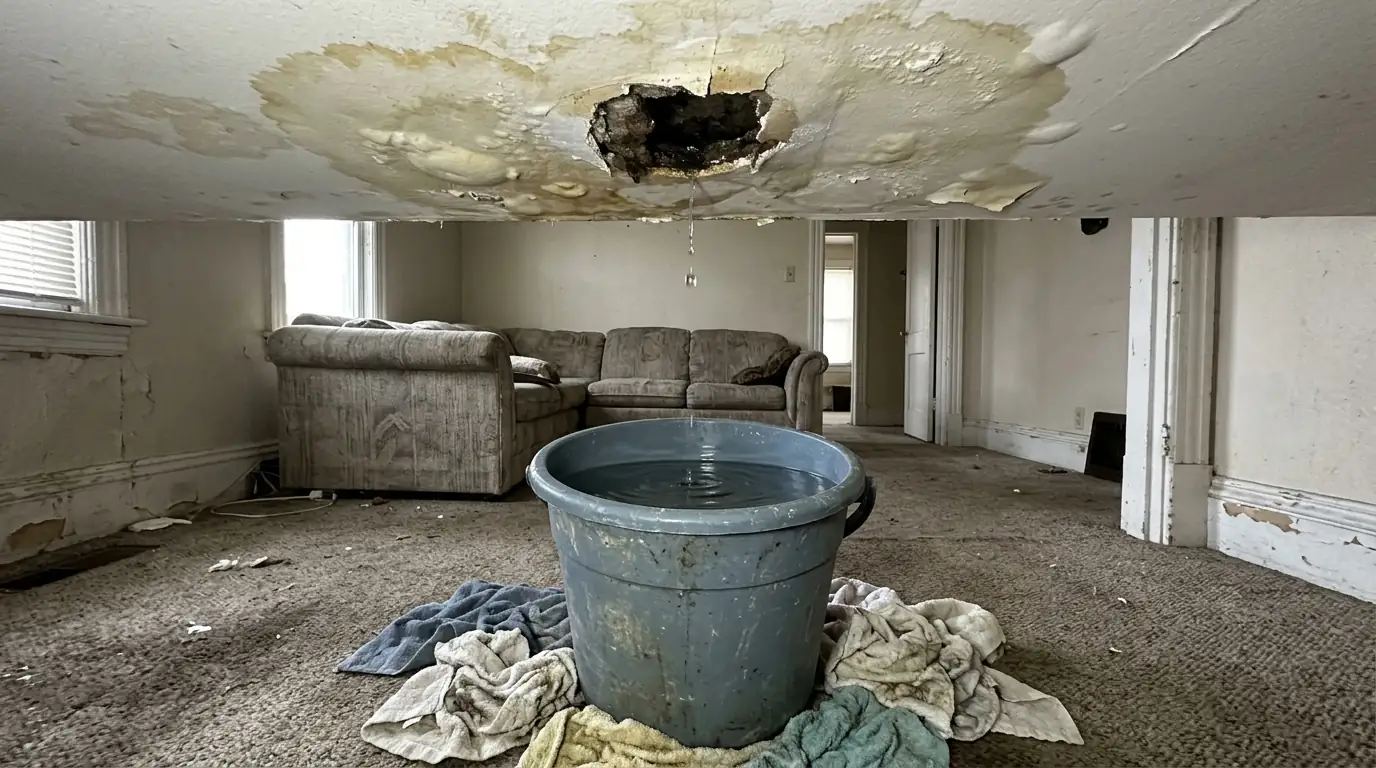
Short answer
In New York City, owners must fix mold and the leak or moisture that causes it. Tell the owner or managing agent in writing first. If it is not fixed, report it to 311, and HPD can inspect and issue a violation with 21, 30 or 90 days to correct depending on its class. A proper repair fixes the moisture source and removes the mold, not just paints over it.
What owners are required to do
Under the city’s housing rules, owners must keep apartments free of mold and fix the conditions that cause it. Local Law 55 of 2018 treats mold as an indoor allergen hazard and sets out how owners must deal with it, as described on HPD’s indoor allergen hazards page.
In buildings with ten or more units, mold covering more than 10 square feet has to be assessed by one company and removed by a separate, independent company, following safe work practices.
Report it in writing first
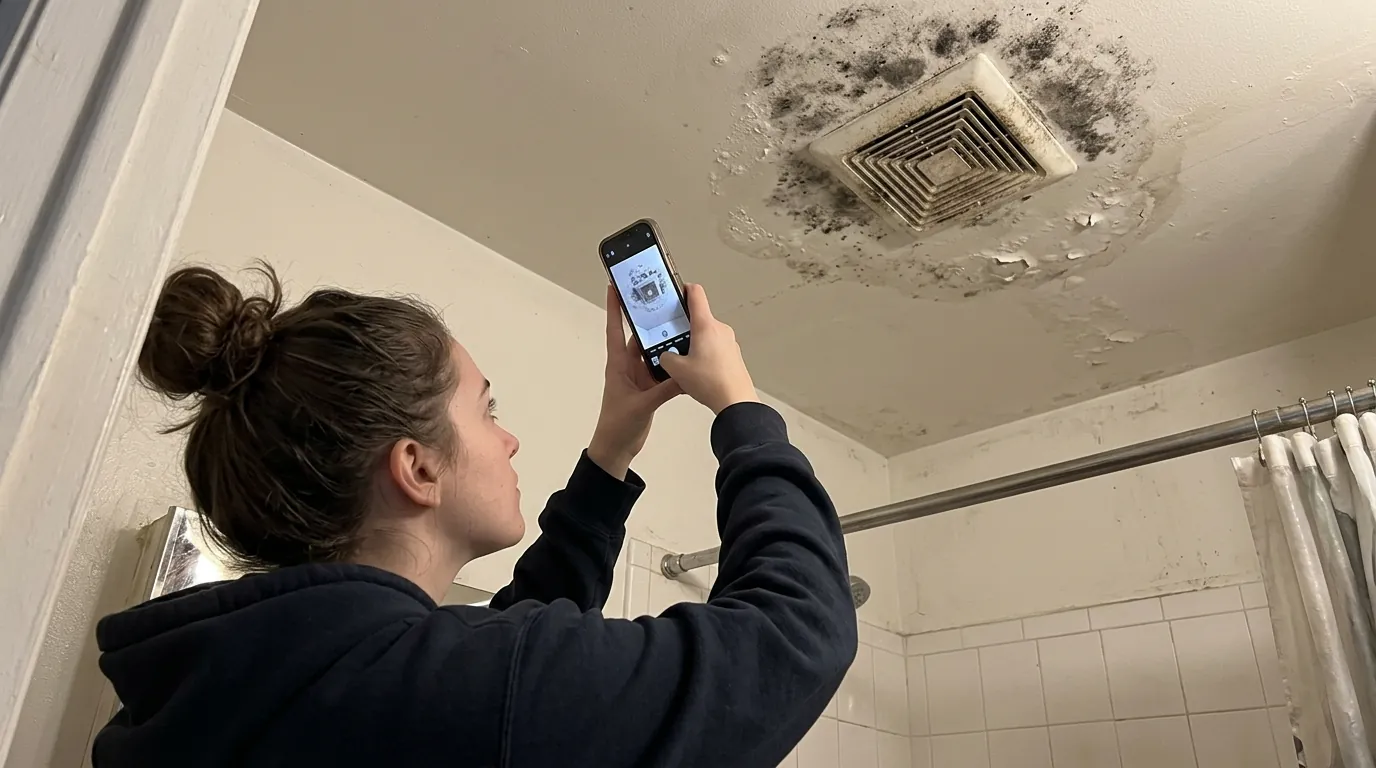
Tell the owner, super or managing agent in writing, with photos and the date. Describe where the mold is, how large it is, and any leak you know about, such as water from the apartment above or a bathroom fan that does not work.
Keep copies. A written record with dates is what shows the owner was told, and it helps if the problem comes back.
311 and HPD inspections
If the owner does not fix it, report the condition to the city through 311. HPD can send an inspector, and if the inspector finds mold, HPD issues a violation.
Mold violations are classed A, B or C, and owners have 90, 30 or 21 days to correct them, according to The Habitat Group. The class depends mostly on how much mold there is and where. The owner must correct it and certify the correction.
Owner or agent with a mold violation?
We work from the assessor’s scope and inside the correction period.What a proper repair looks like
A real fix has two parts: the moisture source and the mold itself.
- The leak, failed seal or ventilation problem is found and fixed first.
- The work area is isolated so mold is not spread to the rest of the apartment.
- Moldy drywall, plaster or insulation is cut out, bagged and replaced.
- Surfaces are cleaned and dried, then repaired and painted.
- On larger jobs in bigger buildings, an independent assessor checks the work.
Signs the repair was not done right
Paint over a stain is the most common shortcut, and it rarely lasts. If the mold reappears within weeks, the smell returns, or the wall still feels damp, the source was probably not fixed or the wet material was not removed.
Report it again in writing and to 311 if needed. Recurring mold after a supposed repair is exactly what the violation process is meant to catch.
What tenants should avoid
Small spots on tile or glass can be cleaned with detergent and water. For anything larger, or anything on drywall or plaster, avoid scrubbing or sanding it yourself, which spreads spores through the apartment.
Do not paint over it, and do not pull out wet drywall on your own. Keep the area ventilated, run the bathroom fan, and leave the removal to the owner’s contractors.
If the owner still does nothing
Tenants whose repairs are ignored can bring a case in Housing Court asking a judge to order the repairs, known as an HP action. Tenant organizations and legal services groups in each borough help tenants with this.
This article is general information, not legal advice. For your situation, talk to a tenant organization or a lawyer.
Common questions
In New York City, owners must fix mold and the conditions that cause it.
Tell the owner in writing first, then report it to 311 if it is not fixed.
Class A 90 days, Class B 30 days, Class C 21 days.
Small spots on hard surfaces, yes. Larger areas or mold on walls should be left to the owner’s contractors.
No. The moisture source and the moldy material have to be dealt with.
Services this article covers
Read next
Phyllis edits the articles on this site, writing from our crews’ job notes and the public sources linked in each piece.